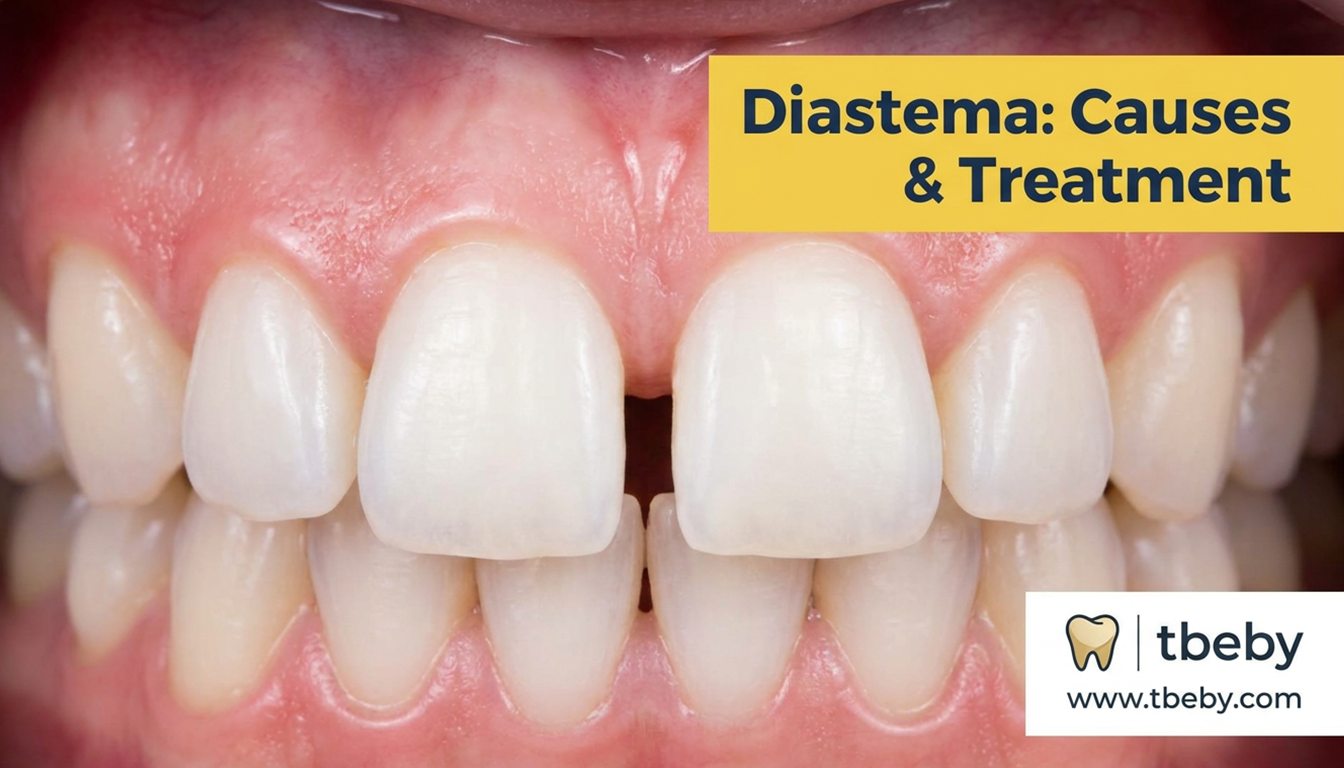

Diastema, the condition characterized by visible gaps between the teeth, has long been a subject of divided opinion, admired by some as a distinctive facial feature and regarded by others as a dental concern requiring correction. Whether one views it as a mark of character or a cosmetic imperfection, understanding its underlying causes and available treatments is essential for making informed oral health decisions.
This article provides a comprehensive, evidence-based overview of diastema: what causes it, how it can be treated through various medical and surgical approaches, and why elective gap-creation procedures are medically and ethically discouraged.
What Is Diastema?
Diastema refers to a gap or space between two or more teeth, most commonly visible between the upper front incisors. The condition is observed across all age groups and is statistically more pronounced in males than in females. While it may carry aesthetic implications, a diastema can also signal underlying dental or systemic health issues that warrant professional evaluation.
You can use Temporary Dental Fillings as a short-term protective measure while awaiting professional treatment for a diastema-related dental issue — they help shield exposed surfaces and prevent sensitivity.
Causes of Diastema
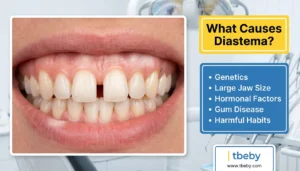
1. Genetic Factors
Tooth shape, size, and alignment patterns are largely inherited. A person may inherit dental spacing tendencies from one or both parents, resulting in gaps between the anterior teeth or across the entire dental arch. If diastema runs in your family, the likelihood of developing it increases significantly.
2. Congenital Factors
The proportional relationship between jaw size and tooth size plays a critical role in dental alignment. When the jaw is disproportionately large relative to the teeth, or when individual teeth are smaller than average, natural spacing occurs. This anatomical mismatch is one of the most common congenital contributors to diastema.
3. Hormonal Imbalances
Disruptions in hormonal regulation, particularly involving the pituitary or thyroid glands, can indirectly cause dental gaps. Hormonal imbalances may trigger abnormal growth of the jaw or tongue, with fatty tissue deposits in the tongue contributing to outward pressure on the teeth, gradually widening the spaces between them.
4. Periodontal (Gum) Disease
Inflammatory gum conditions such as periodontitis can destabilize tooth positioning, causing teeth to shift from their natural alignment. Additionally, enamel erosion resulting from chronic dental disease can reduce tooth size, creating visible gaps between adjacent teeth.
5. Tooth Loss
When a tooth is lost due to severe decay, abscess formation, or advanced gum deterioration, the resulting vacancy creates an evident gap between the neighboring teeth. Without prompt intervention, the adjacent teeth may drift toward the empty space, further compromising alignment.
6. Dental Errors
Improperly fitted orthodontic appliances or faulty dental restorations can inadvertently shift teeth out of alignment. In such cases, diastema is an iatrogenic outcome, a condition caused by the treatment itself, underscoring the importance of selecting qualified dental professionals.
7. Harmful Oral Habits
Certain habitual behaviors pose a long-term risk to dental alignment. These include inserting sharp or pointed objects between the front teeth in an attempt to clean them, or using the teeth to open bottles and containers. Over time, these practices exert consistent mechanical force on the teeth, causing gradual separation and, in severe cases, structural damage that may lead to tooth loss.
Treatment Options for Diastema
Modern dentistry offers several safe and clinically proven approaches to closing dental gaps. The appropriate treatment is determined by the underlying cause, the size of the gap, and the patient’s overall oral health status.
| Treatment Option | How It Works | Best For | Time Required |
| 1. Orthodontic Treatment | Applies controlled force via braces or clear aligners to reposition teeth gradually. | Root-cause misalignment; all gap sizes | Several months to years |
| 2. Dental Bonding (Composite Resin) | Tooth-coloured resin is applied to tooth surfaces to reduce the visible gap. | Small to moderate gaps; fast results | Single appointment |
| 3. Porcelain Veneers | Ultra-thin porcelain shells are bonded to tooth surfaces, increasing apparent width. | Moderate to severe gaps; cosmetic enhancement | 2–3 appointments |
| 4. Dental Bridges | A series of crowns fused together spans the gap caused by a missing tooth. | Gaps resulting from tooth loss | 2–3 appointments |
| 5. Surgical Intervention | Excess labial frenum or hypertrophic gum tissue is excised under local anaesthesia. | Gaps caused by enlarged frenum or gum tissue | Single procedure; recovery 1–2 weeks |
You can use Purple Teeth Whitening Powder alongside your diastema treatment to brighten and refresh your smile, removing surface stains while your gaps are being corrected.
Post-Treatment Oral Care
Maintaining the results of any dental procedure requires consistent daily oral hygiene. Patients are strongly advised to incorporate high-quality dental floss into their routine.
You can use Oral-B Dental Floss to clean narrow interdental spaces, protect gum health, and prevent the accumulation of plaque and tartar that may contribute to the recurrence of dental gaps.
You can use Toothpaste for Treating Sensitive Gums to soothe inflammation and protect the gum tissue as it heals following diastema treatment, reducing discomfort and lowering the risk of recurrence.
Key maintenance practices include:
- Brushing twice daily with a fluoride toothpaste
- Flossing daily to clean between the teeth and along the gumline
- Attending regular dental check-ups every six months
- Wearing a retainer if prescribed following orthodontic treatment
Treating Diastema Without Orthodontics
For patients who prefer to avoid orthodontic appliances, several alternatives are available, including composite bonding, porcelain veneers, dental crowns, and implant-supported restorations for cases involving tooth loss. The suitability of each option depends on the gap’s size, location, and the patient’s dental anatomy, all factors that a qualified dentist will assess during consultation.
It is important to note that no herbal remedy, natural formula, or home treatment has been scientifically validated as an effective solution for diastema. Professional dental intervention remains the only clinically supported approach.
Is Diastema a Sign of Beauty?
In certain cultural contexts, a gap between the upper front teeth is perceived as an attractive or lucky feature, leading some individuals to seek elective procedures to create an artificial diastema. This practice is strongly discouraged from both medical and ethical standpoints.
From a clinical perspective, deliberately separating healthy teeth weakens enamel integrity, damages the supporting periodontal tissues, and significantly increases susceptibility to decay, bacterial infection, and eventual tooth loss. The procedure offers no therapeutic benefit and poses substantial risks to long-term oral health.
Furthermore, in Islamic jurisprudence, the deliberate alteration of natural tooth structure for purely cosmetic purposes without medical necessity is considered impermissible. There are no universally accepted beauty standards that justify compromising dental health, and individuals are encouraged to embrace their natural dentition.
Conclusion
Diastema is a common dental condition with diverse causes ranging from genetic predisposition and congenital anatomy to hormonal disruption, gum disease, tooth loss, and harmful oral habits. Regardless of its origin, contemporary dentistry provides effective, individualized solutions from orthodontic realignment and composite bonding to veneers, bridges, and minor surgery, enabling patients to achieve optimal dental aesthetics and function.
The most critical takeaway is this: avoid elective gap-creation procedures, invest in consistent daily oral care, and consult a qualified dental professional to determine the treatment pathway best suited to your unique condition. A healthy, well-aligned smile is not only more aesthetically rewarding, but it is also a long-term investment in your overall well-being.
FAQs About Diastema
What are the main causes of dental gaps?
Why do I have spaces between my front teeth?
Diastema is most commonly caused by genetic factors, disproportionate jaw-to-tooth size, gum disease, or harmful oral habits.
Can a diastema be treated with natural remedies at home?
Are there herbal solutions for closing gaps between teeth?
No scientifically validated natural or home-based treatment exists for diastema; professional dental intervention is the only proven solution.
Is orthodontics the only way to close a dental gap?
Can a diastema be corrected without braces?
Orthodontics is the optimal solution, but alternatives such as composite bonding or porcelain veneers may be suitable depending on the dentist’s clinical assessment.
How do porcelain veneers help close dental gaps?
Can dental veneers effectively eliminate diastema?
Yes ultra-thin porcelain shells are bonded to the tooth surface to increase visible width and close the gap with a natural, attractive appearance.
What role does composite bonding play in treating diastema?
Can a dental gap be closed in a single appointment?
A dentist applies tooth-coloured composite resin to build up the adjacent surfaces and seamlessly close the gap in one session.
When does diastema require surgical treatment?
Do dental gaps ever need an operation to fix them?
Surgery is recommended when the gap is caused by enlarged gum tissue or a hypertrophic labial frenum, with the excess tissue removed under local anaesthesia.
Is elective diastema creation safe?
What are the risks of artificially creating gaps in healthy teeth?
It is medically harmful and religiously impermissible; it weakens tooth structure, promotes decay and infection, and may ultimately cause tooth loss.
Is diastema considered an attractive feature?
Should a gap between the teeth be corrected or embraced?
Some view it as a natural aesthetic trait, but treatment becomes necessary when the gap negatively affects gum health or causes functional problems.
Can bad oral habits cause dental gaps over time?
Does using teeth to open containers lead to spacing issues?
Yes, using teeth as tools or inserting hard objects between them exerts a gradual mechanical force that causes progressive tooth movement and visible gaps.
How do I maintain my results after diastema treatment?
What is the best way to prevent gaps from returning after treatment?
Brush twice daily, floss consistently, and attend regular dental check-ups to preserve treatment stability and long-term alignment.