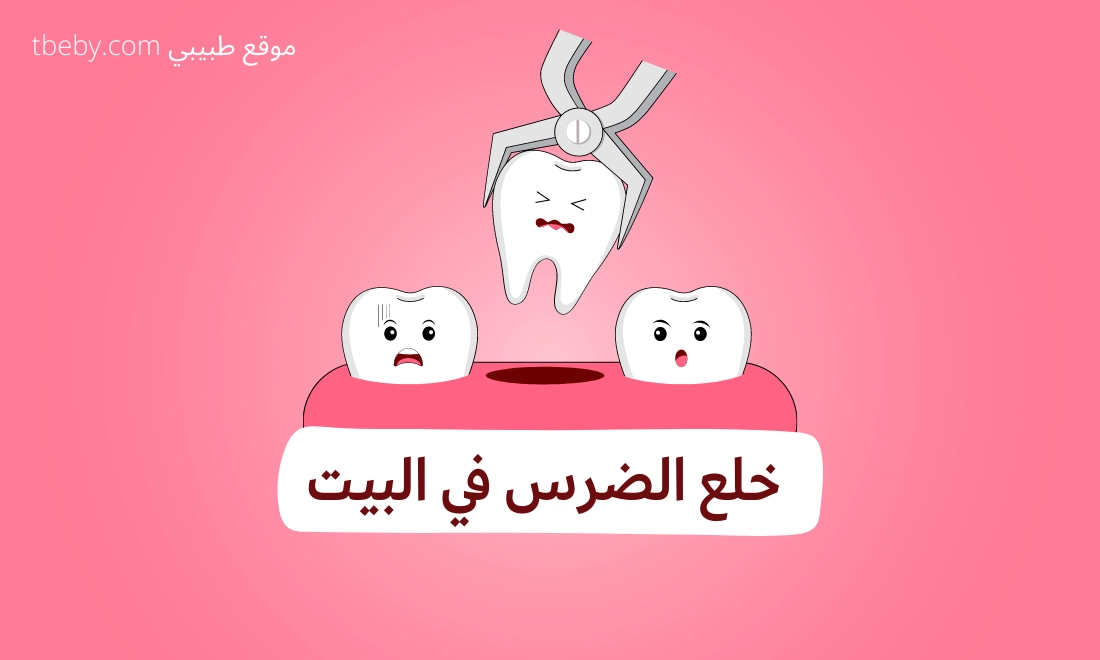

How to Pull a Tooth at Home is strongly discouraged, as tooth extraction should only be performed when a tooth is beyond restoration and under professional supervision. Attempting removal without medical training and sterile instruments exposes the individual to severe pain, bleeding, and infection.
In most cases, teeth should be left to fall out naturally unless trauma or advanced decay makes extraction medically necessary. Dentists use specialized instruments and local anesthesia to ensure a safe, controlled, and virtually painless procedure.
Extracting Baby Teeth at Home
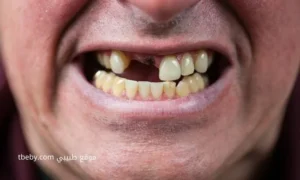
- Most dentists recommend allowing primary (baby) teeth to fall out naturally without parental intervention.
- Premature removal may disrupt the alignment and proper development of permanent teeth, as baby teeth function as natural space maintainers.
- Early loss can result in crowding, spacing irregularities, chewing difficulties, and potential speech issues.
- Dental extraction is only indicated if severe decay or gum disease requires clinical intervention.
- After extraction or in cases of mild gum inflammation, a natural mouth rinse containing coconut oil and peppermint may help soothe gums, reduce bacteria, and maintain fresh breath.
- If a tooth becomes loose, the child should gently move it with the tongue rather than fingers to minimize bacterial transfer and infection risk.
- Loose teeth typically fall out within days or weeks; if mobility persists for more than two to three months, professional evaluation and removal under local anesthesia are required.
You can use Resin Temporary Tooth Repair Granules Teeth Gaps Missing Broken Tooth Filling Moldable Adhesive Dentures False Teeth Tools as a temporary cosmetic solution to fill minor gaps or stabilize a broken tooth until a professional dental visit is available.
How to Pull a Tooth at Home for Adults
Adult tooth extraction is more complex than in children. Permanent teeth are designed to last a lifetime and are only removed when medically necessary.
Common Reasons for Tooth Extraction
1. Dental Crowding
Occurs when insufficient space prevents proper alignment, requiring removal under professional supervision.
2. Gum Disease
Advanced periodontal disease affecting supporting tissues or bone may necessitate extraction to prevent infection spread.
3. Weakened Immune System
Reduced immunity increases vulnerability to bacterial infections that may compromise teeth and gums.
4. Severe Tooth Decay
The most common cause. When decay reaches the pulp containing nerves and blood vessels and cannot be treated with root canal therapy, extraction becomes necessary.
Dentists do not remove a tooth without exhausting alternative treatments. These may include root canal therapy or prescribing antibiotics for bacterial infection. Extraction is considered only when conservative treatments fail.
How to Pull a Tooth at Home Without Pain
The optimal method for tooth extraction involves a licensed dentist using local anesthesia. Home extraction for adults is generally painful and unsafe due to the absence of sterile instruments and anesthesia.
Limited Circumstance for Home Removal
If a tooth has been severely traumatized and is extremely loose, cautious removal may be attempted:
- Grasp the tooth gently using sterile gauze.
- Move it forward and backward slowly.
- If heavy bleeding occurs, stop immediately and seek dental care.
- If minimal bleeding occurs and the tooth moves freely, gently lift upward until the periodontal ligaments detach.
Immediate cessation is required if severe pain or significant bleeding develops.
You can use Resin False Teeth as a temporary solution to protect or replace a damaged or missing tooth until professional dental care is available.
What to Do After Tooth Extraction
Proper aftercare reduces complications and promotes healing:
- Bite firmly on sterile gauze placed over the extraction site until clotting occurs.
- Replace gauze every hour if bleeding persists.
- Apply an ice pack externally to the cheek for 20 minutes at a time to reduce swelling and discomfort.
- After 24 hours, rinse gently with warm salt water.
- Avoid smoking entirely, as it delays healing and increases complication risk.
- Do not rinse or spit during the first 24 hours.
- Consume soft foods such as yogurt during the initial recovery days.
- Avoid hard or crunchy foods requiring strong chewing.
- Resume normal brushing and flossing while avoiding the extraction site.
You can use Multifunctional Teeth Repair Kit to temporarily protect or fill a missing or broken tooth during the recovery period after extraction.
Dentist Supervision Is the Safest Option
Oral health is integral to overall health. Although various reasons may prompt consideration of pulling a tooth at home, professional dental care remains the safest and most reliable approach. Sterile instruments, proper anesthesia, and clinical expertise ensure minimal discomfort and reduce the risk of infection or serious complications.
Related Dental Topics
- Relieving Tooth Extraction Pain
- Tips after tooth extraction
- Surgical Wisdom Tooth Extraction
- Care after tooth extraction
- Treatment of Bad Breath After Tooth Extraction
FAQs About Pulling a Tooth at Home
Can I safely pull my tooth at home?
Is it safe to remove a tooth by myself?
No. Home extraction is not recommended due to bleeding and infection risks; professional removal under local anesthesia is required.
How dangerous is pulling a permanent tooth at home?
What are the risks of adult tooth extraction without a dentist?
It carries significant risks including severe bleeding, infection, and damage to surrounding tissue.
When should baby teeth be removed?
When is dental intervention necessary for a child’s loose tooth?
Primary teeth should fall out naturally and require removal only in cases of severe decay or gum disease.
Should a child wiggle a loose tooth with fingers?
Why should children avoid touching loose teeth by hand?
Fingers transfer bacteria to the gums; gentle movement with the tongue is safer.
How do I stop bleeding after tooth extraction?
What should I do if bleeding continues?
Apply firm pressure with sterile gauze and replace it hourly until bleeding stops.
When can I eat normally after extraction?
Which foods are allowed after tooth removal?
Consume soft foods initially and avoid hard foods that require strong chewing.
Is smoking harmful after tooth extraction?
Why do dentists warn against smoking post-extraction?
Smoking delays healing and increases the risk of infection and complications.
Why use ice after extraction?
How should ice packs be applied?
Ice reduces swelling and pain when applied externally for 20-minute intervals.
Can I brush my teeth after extraction?
When can oral hygiene resume?
Brushing may continue normally while avoiding contact with the surgical site.
When should I start rinsing with salt water?
Is rinsing allowed on the first day?
Avoid rinsing for 24 hours, then gently rinse with warm salt water to promote healing.