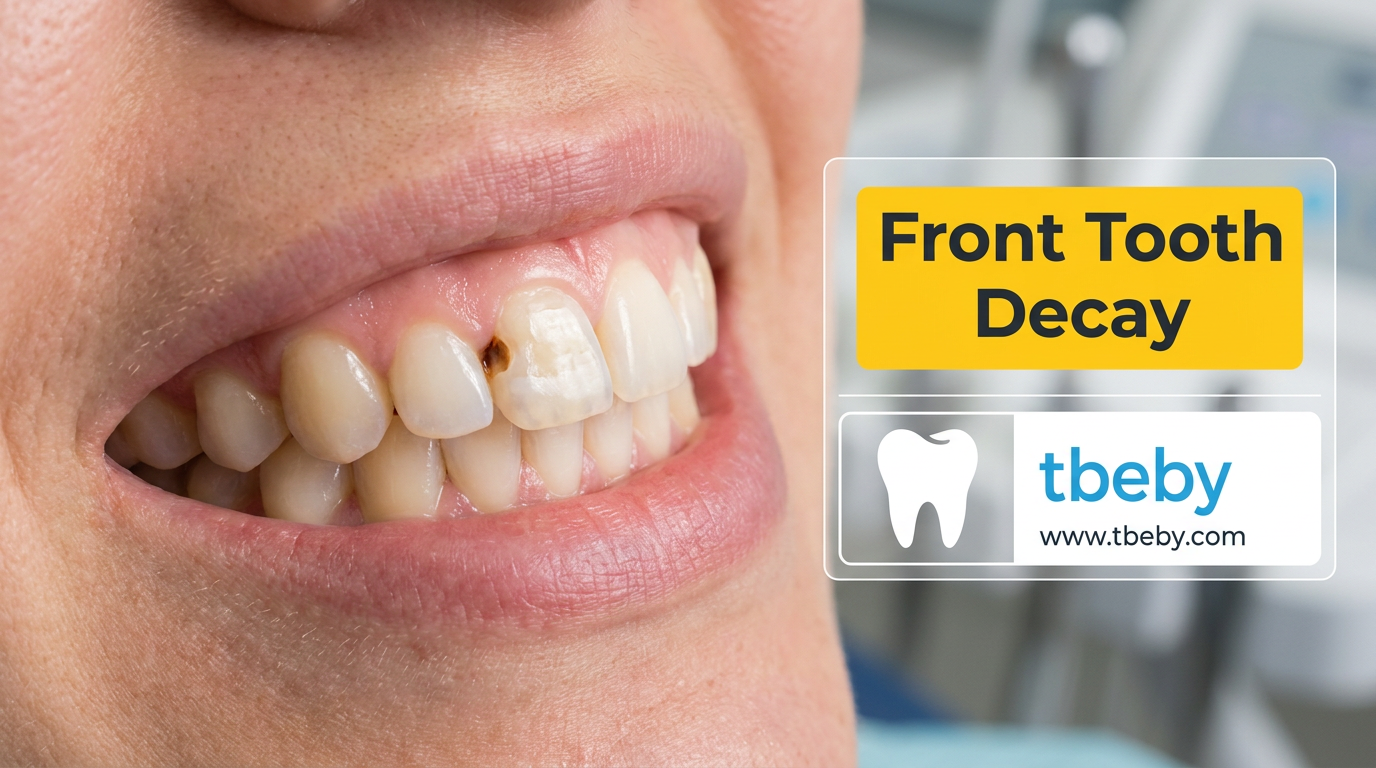

Front tooth decay is one of the most distressing dental conditions affecting millions of patients worldwide, as it directly compromises the aesthetics of the smile and undermines personal confidence. Understanding the warning signs, underlying causes, and most effective treatment options is essential for anyone seeking to preserve their oral health and maintain a naturally attractive smile. This comprehensive guide examines the clinical indicators of this condition, explores its primary etiological factors, and presents the four most evidence-supported treatment approaches currently available.
What Are the Warning Signs of Front Tooth Decay?
The clinical presentation of front tooth decay varies according to the severity, extent, and progression of the carious lesion. Recognizing early symptoms enables timely intervention and significantly improves treatment outcomes.
Common signs and symptoms include the following:
- Increased tooth sensitivity to temperature or pressure stimuli
- Visible pits or dark spots on the anterior tooth surface
- Pain upon biting, varying in intensity depending on the depth of decay
- Discomfort when consuming foods or beverages with high sugar content
- White spot lesions appearing on the enamel surface, characteristic of early-stage demineralization
You can use Anti-cavity toothpaste to help protect your enamel and reduce the early warning signs of front tooth decay before they progress.
What Causes Front Tooth Decay?
Numerous etiological factors contribute to the development of front tooth decay. A thorough understanding of these causes is fundamental to both prevention and treatment planning.
1. Cariogenic Foods and Beverages
Frequent consumption of foods and beverages with high sugar content creates an environment conducive to bacterial acid production, accelerating enamel erosion and the onset of decay.
Foods and drinks particularly associated with increased caries risk include:
- Sweetened milk and dairy products with added sugar
- Honey and concentrated natural sugars
- Carbonated beverages in all forms
- Pastries, cakes, and refined carbohydrates
- Fast food and processed snacks
Foods that adhere to tooth surfaces and resist natural clearance are especially harmful, as they sustain prolonged acid exposure on the enamel.
2. Inadequate Oral Hygiene
Failure to maintain consistent and effective oral hygiene practices significantly increases susceptibility to front tooth decay. Brushing with fluoride toothpaste after every meal is essential to disrupt bacterial biofilm before it mineralizes into calculus.
When oral bacteria metabolize residual food particles, they produce a sticky biofilm known as dental plaque — the primary precursor to enamel demineralization and carious lesion formation.
3. Calcium and Fluoride Deficiency
Calcium and fluoride are indispensable minerals for the structural integrity of hard dental tissues. A deficiency in either element renders the enamel more susceptible to bacterial acid dissolution.
Fluoride is now added at regulated concentrations to public water supplies in many countries worldwide, providing a population-level preventive benefit. However, dietary supplementation remains important for individuals with inadequate intake.
4. Dry Mouth (Xerostomia)
Xerostomia, or chronic dry mouth, is a significant risk factor for front tooth decay due to the critical protective functions of saliva. Saliva mechanically removes food debris, neutralizes oral acidity following meals, and deposits remineralizing minerals into the enamel matrix — all functions that are compromised when salivary flow is reduced.
Common causes of reduced salivary flow include:
- Systemic medical conditions affecting the salivary glands
- Side effects of certain pharmaceutical agents
- Radiation therapy directed at the head and neck region
- Chemotherapy administered for oncological conditions
5. Defective Dental Restorations
Existing dental fillings may contribute to recurrent caries through several mechanisms:
- Incomplete removal of decay before restoration placement
- Poorly finished restorations with rough margins that accumulate plaque
- Aged or fractured fillings that allow bacterial microleakage and secondary decay development
6. Gastroesophageal Reflux Disease (GERD)
GERD causes gastric acid to flow retrograde into the oral cavity, where it dissolves the hard mineral structure of the enamel. This chemical erosion weakens teeth considerably and creates favorable conditions for the progression of front tooth decay.
It is clinically important to note that treating the dental manifestations without addressing the underlying systemic cause yields limited long-term benefit. The gastrointestinal condition must be managed concurrently with any dental treatment.
You can use Cavity-relieving foam to neutralize harmful acids and bacteria that are among the primary causes of front tooth decay.
Why Does Front Tooth Decay Occur Despite Regular Brushing?
Consistent oral hygiene reduces but does not eliminate the risk of caries development. Certain pathological conditions cannot be resolved through mechanical cleaning alone. These include:
- Gastroesophageal reflux disease introducing exogenous acid
- Xerostomia from any systemic or pharmacological cause
- Congenital calcium deficiency in primary dentition
- Insufficient dietary intake of calcium and fluoride during developmental stages
- Excessive sugar consumption that overwhelms the protective capacity of fluoride toothpaste
Periodic professional dental examinations remain essential even for patients with excellent oral hygiene habits.
4 Most Important Treatments for Front Tooth Decay
The following four treatment modalities represent the primary evidence-based approaches employed by dental clinicians to address front tooth decay across its various stages of progression.
Treatment 1 — Fluoride Therapy
Fluoride therapy is the treatment of choice when front tooth decay is detected in its earliest clinical stage. The application of concentrated fluoride preparations — at significantly higher concentrations than those found in standard toothpastes or drinking water — promotes enamel remineralization and arrests the progression of incipient lesions.
Fluoride is administered in various forms, including professional varnishes, gels, and custom tray applications, all designed to maximize mineral uptake by the enamel surface and enhance its structural resistance to future acid challenges.
Treatment 2 — Laser-Assisted Composite Restoration
When front tooth decay has advanced beyond its earliest stage, surgical intervention is required. The carious tissue is removed and replaced with a tooth-colored composite resin restoration. For anterior teeth, only restorations that precisely match natural tooth shade are clinically appropriate to preserve esthetic integrity.
Laser technology plays a key role in this process by curing and hardening the composite material rapidly and efficiently, ensuring a durable and aesthetically seamless result.
Treatment 3 — Dental Crowns
When front tooth decay has destroyed a substantial portion of the tooth structure, full-coverage restoration with a dental crown becomes the optimal treatment approach. Extensive decay removal in such cases leaves insufficient coronal structure to support a conventional filling.
Dental crowns used for anterior teeth are fabricated from esthetic materials, including:
- Porcelain (all-ceramic)
- Porcelain-fused-to-metal
- Other advanced tooth-colored materials
These restorations restore both the structural integrity and the natural appearance of the affected tooth.
Treatment 4 — Replacement of Defective Restorations
When recurrent decay is attributable to a failing or defective existing restoration, the appropriate treatment is complete removal and replacement of the defective filling. Aged, fractured, or poorly adapted restorations are replaced with new, precisely fitted alternatives that eliminate plaque-retentive margins and restore proper tooth form.
You can use Cavity-repairing toothpaste to support your dental treatment and accelerate the remineralization of weakened front tooth enamel.
Conclusion
Front tooth decay is a clinically significant condition with direct consequences for both oral health and personal aesthetics. Early recognition of warning signs, identification and management of underlying causes, and prompt professional intervention are the pillars of effective care. Daily oral hygiene is a foundational preventive measure, yet it must be complemented by regular dental visits to address any pathological factors that cannot be resolved through home care alone. Whether treatment involves fluoride therapy, composite restorations, dental crowns, or replacement of defective fillings, seeking timely professional care helps preserve a healthy, functional, and aesthetically pleasing smile.
FAQs About Front Tooth Decay
What are the most prominent signs of front tooth decay?
How can I tell if my front teeth are affected by dental caries?
Signs include heightened tooth sensitivity, pain when consuming sweets, and the appearance of white spots or dark pits on the anterior tooth surface.
Does sugar consumption directly cause front tooth decay?
How do sweets and carbonated beverages affect anterior tooth health?
Yes — oral bacteria metabolize residual sugars, producing acids that erode the enamel layer and initiate the carious process.
How does dry mouth affect the health of the front teeth?
Does reduced salivary flow increase the risk of anterior caries?
Saliva neutralizes oral acidity and clears food debris; its deficiency accelerates plaque accumulation and enamel breakdown.
Why do my front teeth decay despite daily brushing and flossing?
What causes persistent tooth decay despite consistent oral hygiene?
Caries may develop due to underlying medical conditions such as GERD, xerostomia, or congenital calcium deficiency that brushing cannot resolve.
What is the relationship between gastroesophageal reflux and front tooth erosion?
Can stomach acid damage and weaken the anterior teeth?
Gastric acid entering the oral cavity dissolves the hard enamel surface, significantly weakening tooth structure and accelerating decay.
Why are calcium and fluoride essential for protecting teeth from decay?
How does mineral deficiency compromise the structural integrity of dental enamel?
Calcium and fluoride are critical building blocks of hard dental tissue, and their deficiency reduces enamel hardness and resistance to bacterial acid.
Can laser technology be used to treat front tooth decay?
How is laser dentistry applied in cosmetic anterior tooth restoration?
Laser technology is used to cure tooth-colored composite restorations rapidly and precisely following caries removal, ensuring durable esthetic results.
When is concentrated fluoride therapy effective for treating early caries?
Can topical fluoride application reverse front tooth decay in its initial stages?
High-concentration fluoride is highly effective in very early-stage decay, promoting enamel remineralization and halting lesion progression before cavitation occurs.
When does a dentist recommend dental crowns for the front teeth?
What is the ideal solution when decay has destroyed a large portion of an anterior tooth?
Dental crowns — such as all-porcelain restorations — are indicated when extensive decay removal leaves insufficient tooth structure to support a conventional filling.
Can old or broken fillings cause new decay to develop?
What are the risks of neglecting the replacement of defective or rough dental restorations?
Defective restorations create plaque-retentive margins that accumulate bacteria and food debris, establishing ideal conditions for secondary caries to develop.
Sources:
https://www.cdc.gov/oral-health/about/cavities-tooth-decay.html