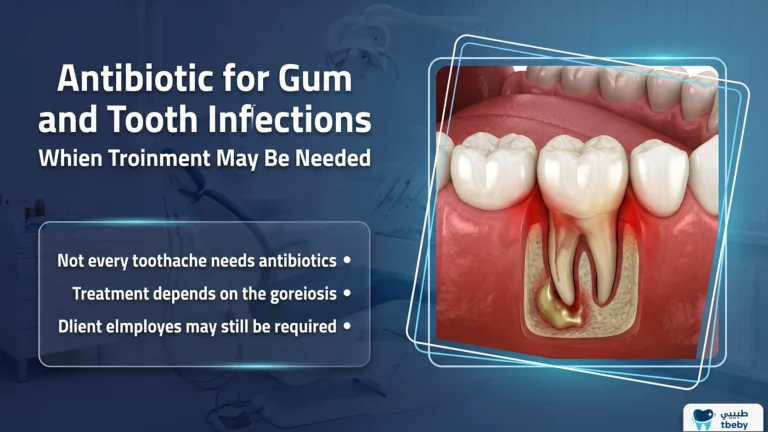

Dental antibiotic therapy is among the most frequently employed pharmacological interventions in modern dental practice, prescribed selectively by qualified dental professionals based on individual patient presentations, infection severity, and medical history.
What Is the Best Antibiotic for Teeth?
Penicillin
Penicillin remains among the most effective dental antibiotics for treating gingival and dental infections. Dosing frequency varies by prescribed strength:
- 500 mg dose: Every 8 hours
- 1,000 mg dose: Every 12 hours
Penicillin is contraindicated in patients with known hypersensitivity to its components or structurally related medications.
Clindamycin
A 2015 research study recommended Clindamycin as a dental antibiotic for patients whose bacterial infections demonstrate resistance to Penicillin.
The permitted dosage is 300 mg or 600 mg every 8 hours, as directed by the treating dentist.
Azithromycin
Azithromycin is an appropriate tooth antibiotic for patients with Penicillin hypersensitivity or those who have not responded adequately to Clindamycin. The standard regimen is 500 mg every 24 hours for 3 consecutive days.
Metronidazole
Although Metronidazole can treat dental infections, it is not universally suitable for all patients and therefore tends to be reserved for the end of most prescribing protocols.
The recommended dosage range is 500–700 mg every 8 hours.
Since prevention is preferable to antibiotic treatment, consistent use of dental floss to remove food debris and inhibit bacterial accumulation is strongly advised.
You can use the Toothpaste for Treating Sensitive Gums to protect your gums from bacterial irritation and reduce the risk of infections that require antibiotic treatment.
Side Effects of Dental Antibiotics
Like all medications, dental antibiotics may produce adverse effects, including:
- Dizziness
- Nausea
- Diarrhea
- Allergic reactions
- Fungal infections
What Is the Best Antibiotic for a Dental Abscess?
The appropriate antibiotic for teeth depends on the specific bacteria causing the infection, as different antibiotic classes employ distinct mechanisms to combat bacterial pathogens.
| · Antibiotic | · Clinical Indication | · Notes |
| · Penicillin / Amoxicillin | · First-line treatment for dental abscesses | · Most commonly prescribed class for dental use |
| · Metronidazole | · Specific anaerobic bacterial infections | · Often combined with Penicillin to broaden coverage |
| · Clindamycin / Erythromycin | · Patients with known Penicillin allergy | · Safe and effective alternatives for allergic patients |
It is essential to inform your dentist of any prior drug allergies before initiating any antibiotics for tooth infections.
You can use the Toothpaste That Removes Plaque to eliminate the bacterial buildup along the gum line that leads to the abscesses requiring antibiotic intervention.
How to Relieve Tooth Inflammation at Home
Ice Packs and Cold Water
Apply a cloth-wrapped ice pack to the cheek adjacent to the affected area for a minimum of 15 minutes to reduce swelling and numb discomfort.
Garlic
Crush two garlic cloves with a small pinch of salt and apply the mixture directly to the affected tooth to reduce inflammation and pain.
Saltwater Rinse
Dissolve one tablespoon of salt in a cup of warm water and rinse for at least 40 seconds per session. This rinse may be repeated once daily; however, excessive use should be avoided as it may cause dry mouth and eliminate beneficial oral bacteria.
Aloe Vera Gel
Apply aloe vera gel directly to the painful area for natural soothing relief.
Thyme Oil
Add a few drops of thyme oil to a cup of water and use as a natural mouth rinse. Alternatively, apply several drops to a clean cotton pad and hold it against the painful area for approximately 10 minutes.
You can use the Toothpaste for Whitening Teeth as part of your daily oral care routine to maintain hygiene and complement these home remedies for soothing tooth inflammation.
What Is the Best and Fastest Treatment for Gingivitis?
In the early stages of gingivitis, before symptoms become severe, the following home remedies may assist in reducing inflammation and promoting gum healing:
Saltwater Rinse
Saline solution possesses antiseptic properties that support tissue healing. Research confirms that saltwater rinsing helps alleviate gingival inflammation. To prepare:
- Mix ¾ teaspoon of salt into a cup of warm water
- Rinse and swish thoroughly
- Expectorate the solution
Turmeric Gel
Turmeric contains anti-inflammatory and antifungal compounds that help prevent plaque accumulation and gingival inflammation. Apply turmeric gel to the gums, leave for 10 minutes, then rinse and spit.
Aloe Vera Mouth Rinse
Aloe vera is an active ingredient in conventional mouth rinses formulated for gingivitis. It may be used in its pure form without dilution for enhanced efficacy.
Lemongrass Oil Rinse
Lemongrass oil has demonstrated effectiveness in reducing gingival inflammation. To prepare a rinse:
- Dilute 2–3 drops of lemongrass oil in water
- Swish and expectorate
Tea Tree Oil Mouth Rinse
Add 3 drops of tea tree oil to a cup of warm water, rinse thoroughly, and spit out.
What Is the Best Antibiotic for Gum Disease?
The most effective antibiotics for teeth and gums include:
- Amoxicillin
- Tetracycline
- Erythromycin
- Metronidazole
To enhance the efficacy of these treatments and access hard-to-reach areas where bacteria accumulate, interdental brushes are strongly recommended as part of a daily oral hygiene routine.
What is the Best Painkiller for a toothache?
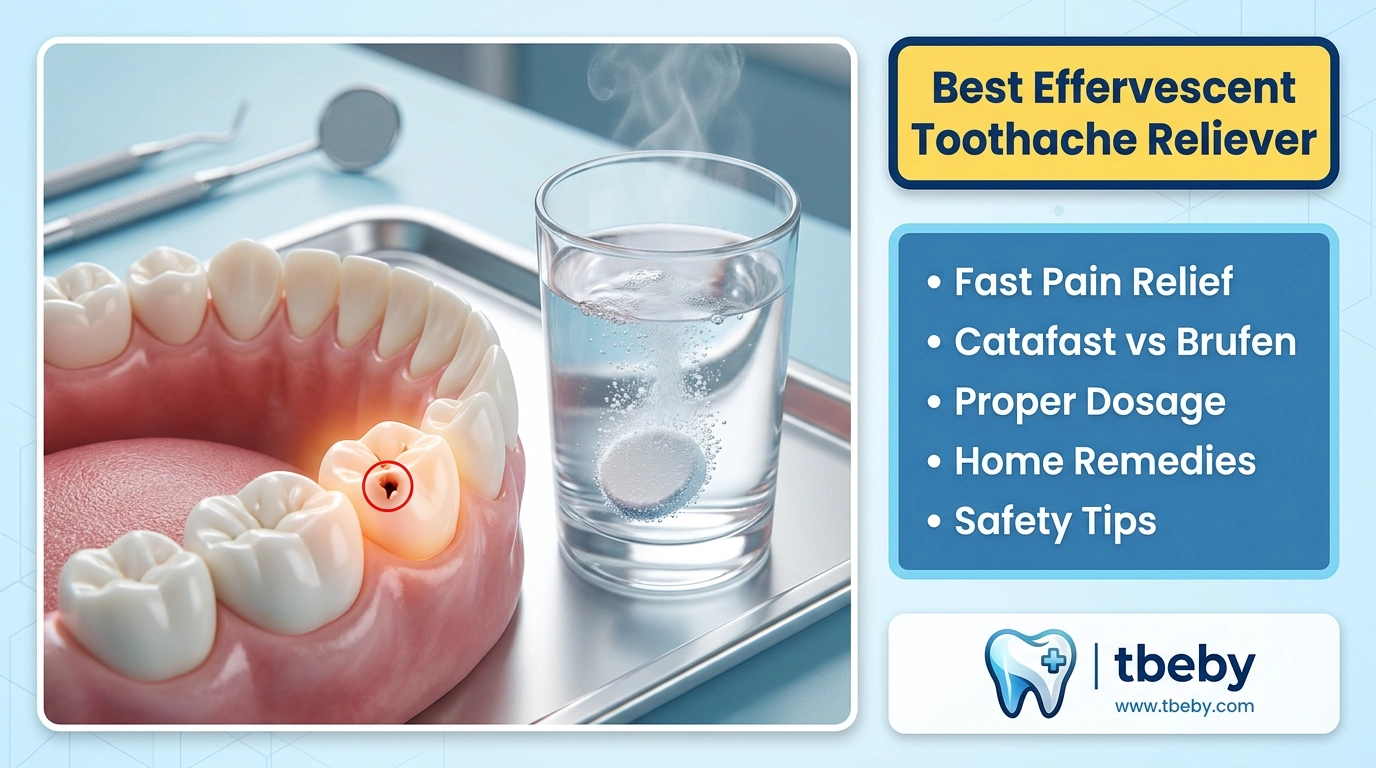
A professional dental consultation is always recommended to identify the underlying cause of dental pain. For immediate symptom management, non-steroidal anti-inflammatory drugs (NSAIDs) that do not require a prescription are considered the most effective over-the-counter analgesics for tooth pain, including compounds containing:
- Ibuprofen
- Naproxen
- Diclofenac Sodium
- Diclofenac Potassium
These medications reduce both inflammation and swelling. However, NSAIDs are not suitable for all patients; individuals on certain medications or with specific health conditions should avoid their use.
Can a Dental Antibiotic Be Taken with a Painkiller?
Yes, both may be taken on the same day, with attention to timing:
- The antibiotic should be taken two hours after eating to prevent food from reducing its efficacy.
- The painkiller should be taken immediately after food, as most NSAIDs are gastric irritants.
Your First Step Toward a Pain-Free Smile
Oral health is a direct reflection of overall systemic health. While dental antibiotics such as Penicillin and Clindamycin, alongside analgesic medications, are highly effective in eliminating infections and alleviating pain, they must be used responsibly and in strict accordance with professional dental guidance to prevent adverse effects and antibiotic resistance.
Natural home remedies, including saltwater rinses and thyme oil, serve as valuable first-aid measures for managing gingival and dental inflammation. Nevertheless, the most durable solution remains prevention: a consistent daily routine incorporating toothbrushing and flossing constitutes the most reliable defense against the bacterial accumulation that leads to abscesses and infections. Regular dental check-ups remain indispensable for maintaining long-term oral health.
FAQs About the Best Dental Antibiotic
What is the most effective antibiotic for treating dental infections?
Which antibiotic is considered the strongest against oral bacteria?
Penicillin is generally regarded as the most effective first-line option, with dosage determined by the dentist based on infection severity.
What should I do if I am allergic to Penicillin and need treatment for a dental abscess?
What are the safe alternatives to Penicillin for patients with drug allergies?
A dentist will typically prescribe safe and effective alternatives such as Clindamycin or Azithromycin to eliminate the infection.
Can I take a painkiller and an antibiotic on the same day?
Is there a conflict between anti-inflammatory medications and dental pain relievers?
Yes, both may be taken on the same day; the painkiller should be taken immediately after food, and the antibiotic two hours later to avoid gastric discomfort.
What are the best over-the-counter tablets for managing a severe toothache?
What is the fastest painkiller for tooth inflammation available at a pharmacy?
NSAIDs such as Ibuprofen and Diclofenac are the fastest-acting options for relieving dental pain and reducing swelling.
How can I relieve an inflamed tooth at home immediately?
What are the fastest natural methods for temporarily relieving a toothache?
Apply an external ice pack to the cheek, or crush a garlic clove with salt and apply it directly to the inflamed tooth.
Does rinsing with salt water help treat gum inflammation and swelling?
Is warm saline solution effective at eliminating oral bacteria?
Yes, saline solution acts as a natural antiseptic that reduces gingival inflammation and accelerates tissue healing.
What are the potential side effects of dental antibiotics?
Can medications used to treat dental abscesses cause uncomfortable symptoms?
They may cause temporary, mild effects such as nausea, dizziness, diarrhea, or the development of fungal infections.
When is Metronidazole prescribed for a dental patient?
In what clinical situations does a dentist use Metronidazole?
It is used to target specific bacterial strains and is frequently combined with Penicillin to provide broader antibacterial coverage.
How do I use thyme to relieve a toothache at home?
What is the correct method for applying thyme oil to an inflamed tooth?
Add a few drops of thyme oil to a cup of water for rinsing, or apply it via a clean cotton pad directly to the affected area for 10 minutes.
How can I protect my teeth and gums from recurring infections and abscesses?
What is the best preventive measure against oral bacterial accumulation?
Regular use of dental floss and a toothbrush removes food debris and prevents plaque and bacterial buildup that leads to oral health problems.