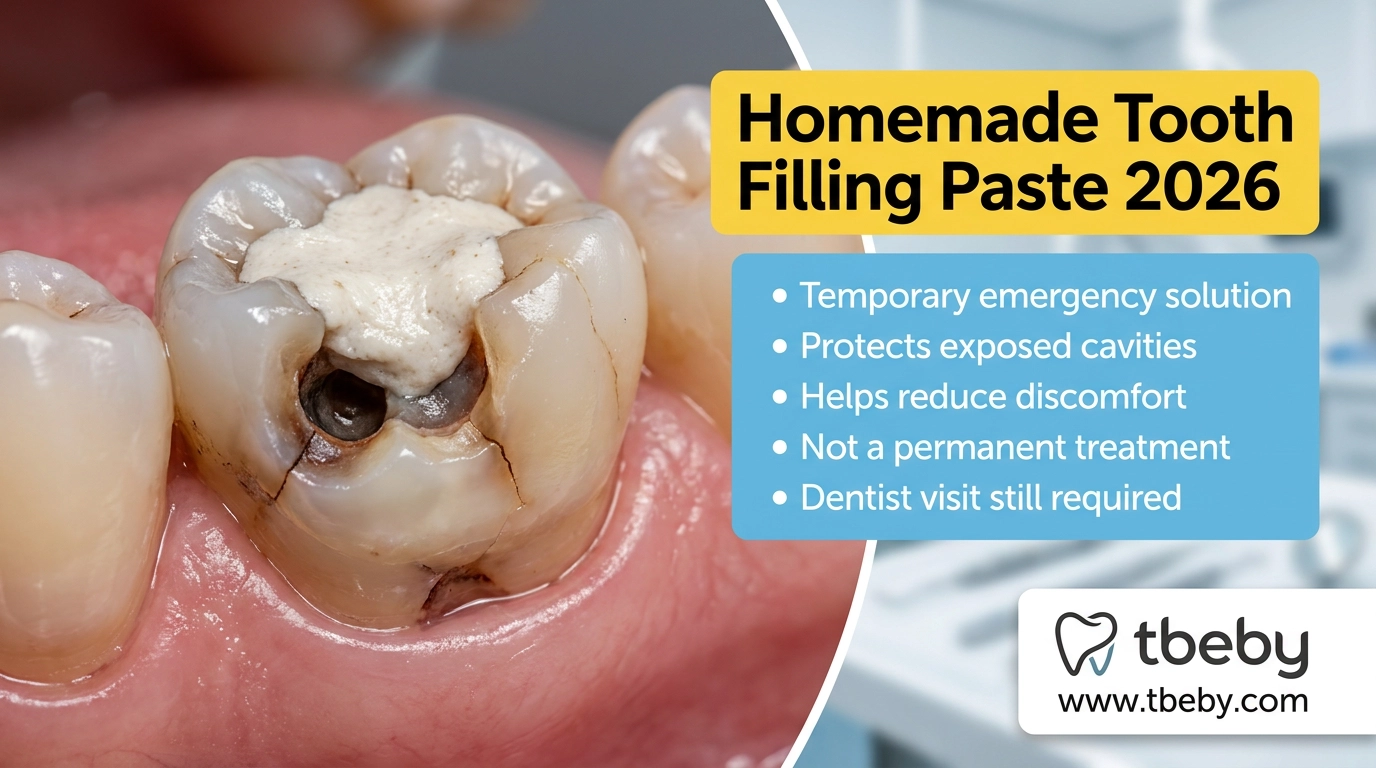

Homemade tooth filling paste is one of the most frequently searched topics among individuals experiencing dental pain and decay-related complications. Dental pain is widely recognized as one of the most debilitating forms of physical discomfort, often radiating throughout the head, jaw, and neck. When conventional analgesics fail to provide adequate relief, many patients turn to natural, home-based alternatives as a temporary measure. While homemade tooth filling paste can serve as an effective short-term solution, it is essential to understand its limitations and the circumstances under which professional dental intervention becomes indispensable.
This comprehensive guide explores every critical aspect of dental fillings, from homemade temporary pastes to professional filling materials, providing readers worldwide with the knowledge needed to make informed decisions about their oral health in 2026.
What Materials Are Used to Make Dental Fillings?
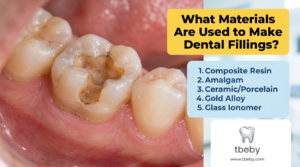
Understanding the composition of professional dental fillings helps contextualize the role that homemade tooth filling paste plays as a temporary substitute.
Professional dental fillings are manufactured from a range of carefully selected materials, each offering distinct mechanical and aesthetic properties:
1. Composite Resin
A tooth-colored material that blends naturally with the surrounding dentition, widely favored for its aesthetic appeal.
2. Amalgam
A historically common alloy containing mercury, silver, copper, and tin, characterized by its gray or silver appearance and exceptional durability.
3. Ceramic/Porcelain
Crafted from high-grade porcelain, this material offers superior color matching and biocompatibility.
4. Gold Alloy
Among the most durable filling materials available, gold fillings are known for their longevity, which can exceed 15 years.
5. Glass Ionomer
A fluoride-releasing material is often used for smaller cavities and pediatric dentistry.
You can use Temporary Dental Fillings to protect an exposed cavity and manage pain until you can visit your dentist.
What to Do When a Dental Filling Falls Out
Unexpectedly losing a dental filling is a common dental emergency that requires prompt and appropriate action. Although homemade tooth filling paste can offer temporary protection, the following clinical guidelines should be observed:
1. Consult a Dentist Immediately
Professional fillings can last between 5 and 35 years, depending on the material, but they are not permanent. If a filling dislodges, scheduling an emergency dental appointment is the highest priority.
2. Preserve the Lost Filling
If possible, store the dislodged filling in a clean container and bring it to your appointment.
3. Rinse with Warm Saline Solution
Gently rinsing the mouth with warm salt water helps reduce bacterial colonization around the exposed tooth.
4. Maintain Oral Hygiene
Continue brushing and flossing carefully around the affected area to minimize infection risk.
5. Avoid Hard and Sugary Foods
These can exacerbate damage to the exposed tooth structure.
6. Use Over-the-Counter Analgesics
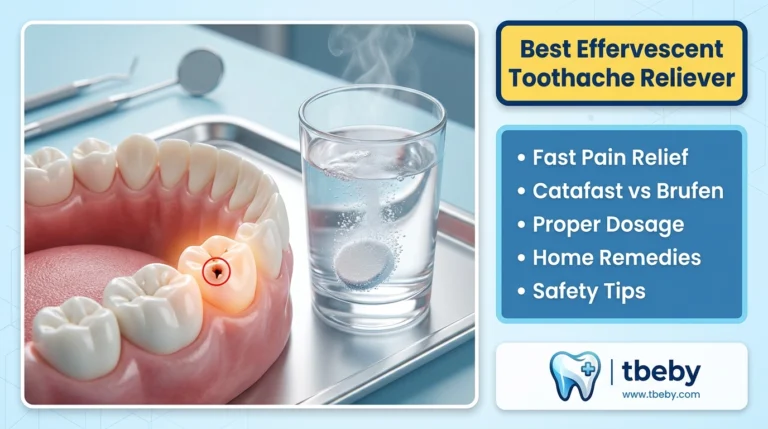
Ibuprofen can help manage pain while awaiting professional care.
7. Apply Clove Oil
Placing a small amount of clove oil directly on the affected tooth for approximately five minutes offers natural temporary analgesia.
8. Apply Ice Packs for Swelling
If gingival swelling or inflammation is present, applying a cold compress for at least 15 minutes can reduce discomfort.
9. Use Dental Floss
To prevent bacterial accumulation around the exposed site, gentle flossing helps maintain cleanliness until your dental appointment.
You can use Coconut Oil Teeth Whitening to gently cleanse and brighten your teeth while soothing sensitivity around a recently dislodged filling site.
Can a Broken Tooth Be Filled?
Many patients wonder whether a fractured tooth is eligible for filling treatment. The answer is affirmative in most clinical scenarios, provided the fracture does not extend below the gum line or compromise the tooth root.
The standard clinical procedure for a broken tooth includes:
1. Dental Examination
The dentist evaluates the extent of the fracture and determines whether filling, crowning, or extraction is the most appropriate intervention.
2. Impressions and Preparation
Dental impressions are taken to fabricate a custom filling or crown that precisely fits the tooth structure.
3. Filling Placement
Once the appropriate material is selected, the filling is placed to seal the tooth against bacterial infiltration and further decay.
4. Longevity
A professionally placed filling on a broken tooth typically lasts a minimum of five years with proper oral hygiene.
For maintaining cleanliness around a restored tooth, a portable water flosser is highly recommended, as it effectively removes food debris and bacteria from areas that are difficult to reach with conventional flossing.
You can use Gum Repair Foam to soothe and protect the gum tissue surrounding a broken or recently filled tooth, supporting faster recovery.
Is Temporary Dental Filling Available at Pharmacies?
A frequently asked question is whether pre-packaged temporary dental fillings are available over the counter at pharmacies. The clinical consensus is clear on this matter:
- No reliable, ready-made dental filling products are commercially available at standard pharmacies.
- Dental fillings require professional fabrication, precise placement, and clinical assessment to ensure proper fit and safety.
- Purchasing medications or topical agents from a pharmacy without a dentist’s recommendation is strongly discouraged in cases of active decay or filling loss.
- Only a qualified dental professional can design a filling that is biomechanically appropriate for a specific tooth, free from the risk of adverse reactions or secondary complications.
Homemade tooth filling paste remains the most accessible temporary alternative in the absence of immediate professional care, though it is not a clinically validated substitute for a professionally placed restoration.
Dental Adhesive Cements: Temporary and Permanent Options
Dental cement, commonly referred to as tooth glue or dental adhesive, is a critical component in restorative dentistry. It is used primarily to secure dental crowns, bridges, and other prosthetic restorations.
Temporary Dental Cement
- Designed for short-term use, typically during the interim period between tooth preparation and the delivery of a permanent restoration.
- Allows easy removal without damaging the underlying tooth structure.
- Common chemical constituents include zinc oxide, eugenol, calcium hydroxide, and zinc oxide powder with olive oil.
Permanent Dental Cement
- Applied once the definitive restoration has been fabricated and the temporary cement is removed.
- Characterized by superior strength, rigidity, and long-term adhesion.
- Common materials include resin cement, glass ionomer cement (GIC), resin-modified glass ionomer (RMGI), and zinc phosphate cement.
- Unlike homemade tooth filling paste, permanent dental cement provides complete marginal sealing, effectively preventing microleakage and bacterial infiltration.
What Is the Best Type of Dental Filling?
Selecting the optimal filling material depends on multiple clinical and patient-specific factors. Below is a comprehensive comparison of the most widely used filling types:
| Filling Type | Best For | Advantages | Disadvantages |
| Composite Resin | Visible front teeth; small to medium cavities | Tooth-colored; bonds directly to the tooth; preserves more natural structure | Less durable than metal; may stain over time |
| Amalgam (Silver) | Large cavities in molars; high-pressure areas | Highly durable; cost-effective; long clinical track record | Silver/gray color; contains mercury; may require more tooth removal |
| Ceramic/Porcelain | Patients prioritizing aesthetics; front or back teeth | Excellent color match; biocompatible; stain-resistant | More brittle than metal; higher cost; requires more preparation |
| Gold Alloy | Posterior teeth requiring maximum longevity | Exceptional durability (15+ years); gentle on opposing teeth; no corrosion | Most expensive option; gold color; requires multiple appointments |
| Glass Ionomer | Pediatric dentistry; non-load-bearing areas; root cavities | Releases fluoride; bonds chemically to the tooth; good for sensitive areas | Less durable; lower wear resistance; not ideal for high-stress zones |
Concluding Recommendations: Your Path to a Healthy, Pain-Free Smile
Homemade tooth filling paste serves a valuable role as a dental first-aid measure for emergency situations, providing temporary pain relief and protecting an exposed tooth until professional care becomes accessible. However, it cannot, under any circumstances, replace the precision, durability, and clinical safety of professionally placed dental restorations.
This guide has examined the fundamental differences between temporary home-based solutions and permanent clinical filling options, including composite resin, ceramic, amalgam, and gold. Prolonged reliance on homemade tooth filling paste or over-the-counter analgesics without addressing the underlying cause can lead to irreversible tooth loss, systemic infection, and significantly more complex and costly treatment.
We strongly encourage readers worldwide to schedule a consultation with a qualified dental professional at the earliest opportunity for accurate diagnosis and definitive treatment that restores both oral health and quality of life.
FAQs About Homemade Tooth Filling Paste
Is homemade tooth filling paste a permanent dental treatment?
Can I rely on a home dental filling for life?
No homemade tooth filling paste is strictly a temporary emergency measure to relieve pain and protect an exposed tooth until a qualified dentist can provide definitive treatment.
Are pre-packaged dental fillings available for purchase at pharmacies?
Can I buy a ready-made temporary filling at a drugstore?
No, no clinically reliable, ready-made dental fillings are sold at pharmacies; all fillings must be professionally prepared and placed within a dental clinic to avoid complications.
Can a broken tooth be restored with a dental filling?
Is it possible to fill a suddenly fractured tooth?
Yes, a dentist can fill and restore a broken tooth to protect it from bacterial infiltration and decay, often eliminating the need for extraction.
What should I do immediately after a dental filling falls out?
What is the correct clinical response when a tooth filling dislodges?
Rinse thoroughly with warm salt water, avoid chewing on the affected side, and visit your dentist as soon as possible for prompt re-restoration.
What is currently considered the best type of dental filling?
Which filling material do dentists most commonly recommend?
Composite resin and ceramic fillings are currently the preferred options, offering both exceptional durability and a natural color match to the surrounding dentition.
How can I relieve the pain of an exposed tooth at home?
What natural methods help manage a severe toothache before seeing a dentist?
Safe over-the-counter analgesics such as ibuprofen may be used, or a small amount of clove oil may be applied directly to the painful site for temporary numbing relief.
What is dental adhesive cement, and what are its clinical applications?
Is there a medical adhesive material used to secure dental crowns and restorations?
Yes, dental cement is a clinically formulated adhesive (available in temporary and permanent forms) used exclusively by dentists to secure crowns and ceramic restorations onto prepared teeth.
Which lasts longer, a gold filling or an amalgam filling?
Do gold dental fillings have a longer lifespan than silver amalgam?
Gold fillings offer the longest lifespan of all filling types, lasting more than 15 years due to their superior hardness and resistance to corrosion.
How do I know if my tooth needs a professional dental filling?
What symptoms indicate that a tooth requires clinical restoration?
Sharp pain during chewing, heightened sensitivity to hot or cold beverages, or the presence of visible dark pits on the tooth surface are strong indicators that a clinical examination and filling are necessary.
Are the ingredients used in homemade tooth filling paste safe?
Can placing substances like garlic or clove directly on a tooth cause harm?
Natural ingredients such as clove and garlic possess antimicrobial properties but offer only superficial, temporary relief; they cannot substitute for deep professional cleaning, sterilization, and clinical restoration of the affected tooth.
Source: https://www.nidcr.nih.gov/health-info/dental-fillings