
Dental floss is one of the most essential tools in maintaining oral hygiene and preventing dental disease. Despite its simplicity, it addresses what a toothbrush cannot: the narrow interdental spaces where food debris and bacterial plaque accumulate silently and persistently. Across Egypt, Saudi Arabia, and the broader Arab world, dental professionals consistently emphasize that brushing alone is insufficient for comprehensive oral care and that dental floss represents the critical second step in any effective daily hygiene routine.
In this article, we present a complete, evidence-informed guide covering the types of dental floss, its proven benefits, potential risks of misuse, correct usage technique, and answers to the most frequently asked questions.
Types of Dental Floss
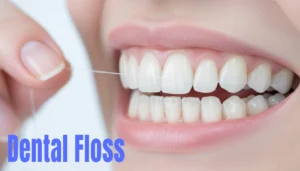
Selecting the appropriate type of dental floss depends on the spacing between your teeth, the presence of dental restorations, and your dentist’s recommendation. There are two primary categories:
1. Standard Floss
Standard floss is an ultra-thin thread composed of approximately 35 twisted nylon strands bonded together. It is specifically designed for individuals with tightly spaced or closely set teeth where interdental gaps are minimal.
It is available in two primary variants:
- Waxed floss: Coated with a thin wax layer that enhances durability and allows smoother passage between crowded teeth.
- Unwaxed floss: Thinner and more flexible, making it well-suited for very narrow spaces.
Both variants are available in flavoured and unflavoured options across dental care markets in Egypt and Saudi Arabia.
2. Super Floss
Super floss is a more advanced option distinguished by its rigid tips and spongy, highly porous middle segment. This structure allows it to absorb and remove greater quantities of debris and bacterial deposits. Unlike standard floss, super floss can navigate around dental bridges and orthodontic appliances without breaking.
Its nylon construction provides sufficient tensile strength to dislodge calculus buildup along the gumline while operating effectively in multiple directional movements.
You can use Teeth Polishing Powder to enhance the whiteness and cleanliness of your teeth after interdental cleaning with floss.
To maximize the benefits of dental floss, whether standard or super, it is strongly recommended to pair it with a 3-in-1 electric toothbrush featuring sonic cleaning technology. While dental floss addresses the interdental spaces, a sonic toothbrush effectively removes plaque from external tooth surfaces, together delivering comprehensive oral care and a consistently healthier smile.
Benefits of Dental Floss
1. Superior Interdental Cleaning
Tartar and food residues accumulate in the narrow spaces between teeth that a toothbrush bristle cannot physically reach. When brushing alone, the external surfaces of the teeth are cleaned while debris remains lodged interdentally. Dental floss penetrates these spaces with ease, dislodging accumulated plaque layers and old food particles. Dentists in Egypt and Saudi Arabia recommend using it at a minimum once daily as part of a consistent oral hygiene regimen.
2. Prevention of Oral Disease
The majority of oral and gingival diseases originate from inadequate cleaning and the prolonged accumulation of food debris. Left unaddressed, this progression begins with halitosis and tooth discoloration, advancing toward dental caries, gingivitis, periodontal abscesses, and ultimately tooth loss.
Residual food matter alters the oral environment, creating a fertile medium for bacterial and fungal proliferation. Regular use of dental floss disrupts this process by preventing debris accumulation and maintaining an oral environment inhospitable to pathogenic microorganisms.
3. Gingival Health Maintenance
The gingival margin, the junction where the gums meet the teeth, represents one of the most bacterially active sites in the oral cavity. Bacterial activity at this location triggers inflammatory responses that, if left unchecked, can progress to destruction of periodontal tissue, tooth mobility, and eventual tooth loss.
Daily flossing of this anatomical zone prevents food and plaque retention at the gingival margin, substantially reducing the risk of gingivitis and periodontitis.
4. Long-Term Cost Efficiency
While the initial purchase of dental floss represents a modest recurring expense, its preventive value is considerable. Consistent daily use significantly reduces the incidence of dental caries, gingival inflammation, and associated conditions, thereby minimizing the need for costly dental treatments, prescription medications, and specialist consultations. In the long term, dental floss is one of the most cost-effective investments in oral health available in Egyptian and Saudi markets.
5. Tartar Control
Tartar buildup is universal among adults. When left unmanaged, calculus deposits can darken to a near-black coloration, cause significant structural damage to teeth, and produce chronic halitosis. Under standard circumstances, professional scaling every six months is required to remove these deposits. Regular use of dental floss substantially reduces the rate of calculus accumulation, extending the intervals between necessary professional cleanings.
You can use the Orthodontic Teeth Cleaning Kit to effectively remove tartar and plaque buildup around braces and maintain optimal oral hygiene between professional visits.
How to Use Dental Floss Correctly
Follow these steps for safe and effective interdental cleaning:
- Cut a segment of floss approximately 18 to 24 inches in length from the dispenser.
- Wind each end several times around the index finger of each hand to secure it firmly.
- Gently guide the floss between the teeth using a controlled back-and-forth motion.
- Use both thumbs to stabilize the floss during use.
- Move the floss carefully in an up-and-down motion to dislodge debris along both tooth surfaces.
- Avoid snapping or pressing the floss forcefully against the gum tissue to prevent laceration or bleeding.
Important: Dental floss should be used once or twice daily at most, and always before brushing, not after. This sequence allows the toothpaste fluoride to penetrate the now-cleared interdental spaces more effectively.
Contraindications – Who Should Avoid Standard Dental Floss
Certain individuals should refrain from using conventional dental floss and must consult their dentist for appropriate alternatives:
- Individuals currently wearing fixed orthodontic appliances (braces)
- Patients with permanently fixed dental bridges
- Teeth fitted with dental crowns
- Sites of Osseo integrated dental implants
You can use Yellow Stain Remover to eliminate surface discoloration and restore a brighter smile without abrasive flossing techniques.
Risks and Side Effects of Dental Floss
Although dental floss is fundamentally beneficial, excessive or incorrect use can result in the following complications:
1. Gingival Fibrosis
Using dental floss more than twice daily or applying excessive lateral force during use can cause trauma to the soft gingival tissue. This may result in fibrotic changes, severe pain, chronic inflammation, and long-term gingival recession.
2. Gingival Bleeding
Aggressive insertion of floss that contacts the gum tissue, particularly with repeated forceful pulling, can lacerate the gingiva and induce bleeding. Open gingival wounds increase susceptibility to bacterial infection and inflammatory complications.
3. Enamel Erosion
Overuse of dental floss can gradually abrade the enamel, the outermost protective layer of the tooth. Progressive enamel loss weakens tooth structure and can produce outcomes contrary to the intended purpose of flossing. Moderation in both frequency and pressure is essential.
Dental Floss Pricing
Dental floss pricing varies by brand, floss type, and manufacturer. In the Egyptian market, prices typically range from 30 to 80 Egyptian pounds per package.
Products are available in two primary physical formats: the traditional wound-reel dispenser and the single-use floss pick, a small plastic handle with a pre-threaded floss segment designed for single-session use and ease of manipulation.
Dental Floss: Your Small Daily Step Toward a Lasting Healthy Smile
Achieving an optimal smile extends beyond toothbrushing. It requires consistent attention to the concealed interdental spaces where bacteria and food particles silently accumulate. Dental floss serves as an effective preventive shield against dental caries, tartar buildup, and gingival inflammation, ultimately reducing the financial and clinical burden of future dental treatment.
Despite its substantial benefits, moderation remains the governing principle. Correct use once daily guarantees maximum cleanliness without risking gingival damage or enamel erosion. Equally important is awareness of contraindications in cases involving orthodontic appliances and fixed restorations.
Begin incorporating dental floss into your daily oral hygiene routine today, and consult your dentist to determine the most appropriate type for your specific oral anatomy, ensuring oral health that endures.
FAQs About Dental Floss
When should dental floss be used, before or after brushing?
Should I floss before or after applying toothpaste?
Dental floss should be used once daily before brushing to dislodge trapped debris and allow toothpaste to reach the interdental spaces more effectively.
How many times per day should dental floss be used?
What is the recommended daily frequency for interdental cleaning with floss?
Dentists recommend using dental floss once or twice daily at most to avoid overstressing or injuring the delicate gingival tissue.
Is gingival bleeding during flossing considered normal?
What should I do if my gums bleed when I use dental floss?
Minor bleeding may occur during initial use, but persistent or heavy bleeding indicates gingival inflammation or excessive force and warrants a dental consultation.
Can standard dental floss be used with orthodontic braces?
Is it safe to floss around braces with regular floss?
Standard floss is contraindicated with fixed orthodontic appliances due to the risk of wire entanglement and structural damage; orthodontist-recommended cleaning devices should be used instead.
How do I choose between waxed and unwaxed dental floss?
What is the practical difference between waxed and unwaxed standard floss?
Waxed floss offers greater durability and glides more smoothly between crowded teeth, while unwaxed floss is thinner and better suited to very narrow interdental spaces.
Are there risks associated with excessive dental floss use?
What are the negative effects of over-flossing?
Yes, excessive or forceful flossing can progressively lead to gingival fibrosis and recession, as well as erosion of the outer enamel layer of the teeth.
Does dental floss replace the need for a toothbrush and toothpaste?
Can flossing alone maintain adequate oral hygiene?
Neither replaces the other floss cleans the narrow interdental spaces, while a toothbrush cleans and polishes the external tooth surfaces; both are necessary.
Is dental floss safe to use around dental implants and fixed restorations?
Can I floss around implants and permanent bridges?
Standard dental floss is contraindicated around implants, crowns, and permanent bridges to prevent damage; a dentist should be consulted for appropriate safe alternatives.
Can a piece of dental floss be washed and reused?
Is dental floss designed for multiple uses?
No, each floss segment is intended for single use only and must be discarded immediately after use to prevent reintroducing bacteria into the oral cavity.
What is Super Floss, and what is it used for?
How does Super Floss differ from standard dental floss?
Super floss features rigid tips and a spongy, highly porous mid-segment that enables superior absorption and removal of larger debris deposits, functioning efficiently in all directional movements.
Sources:
https://www.nidcr.nih.gov/health-info/gum-disease/ask-the-expert