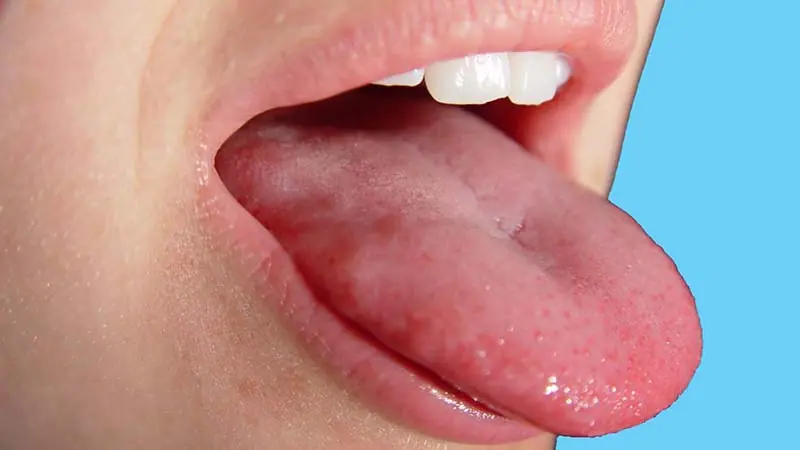

Mouth and tongue numbness is a distressing condition that affects thousands of individuals across Egypt, Saudi Arabia, and the broader Arab world, manifesting as intense tingling or complete loss of sensation in the tongue, lips, and surrounding oral tissues. This condition can significantly impair daily functioning, including the ability to speak clearly, chew food properly, or swallow without discomfort. Understanding its underlying causes is essential for timely and effective management.
In this comprehensive guide, we present all clinically relevant information regarding mouth and tongue numbness, its verified medical causes, and the most effective evidence-based approaches to treatment and prevention.
How Does Tongue Numbness Occur?
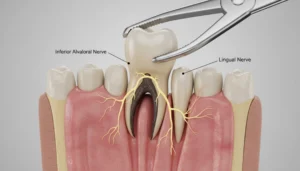
When an individual experiences heaviness in the tongue, tingling in the lips, or loss of sensation in the gums, this typically indicates a neurological disturbance affecting the peripheral nerves in the oral region. A disruption in neural signal transmission results in diminished sensation and reduced motor control over the affected area.
Mouth and tongue numbness may arise from minor health negligence, such as poor hydration or nutritional deficiencies, or may serve as a warning sign of a serious underlying pathology, including diabetes-related neuropathy, nerve damage, or, in rare cases, oral malignancy.
You can use anti-cavity toothpaste to help protect your teeth and support overall oral health, reducing the risk of infections that may contribute to mouth and tongue numbness.
Primary Causes of Mouth and Tongue Numbness
Several medical conditions and physiological disruptions are directly associated with the onset of mouth and tongue numbness. The following are the most clinically significant:
1. Stroke (Cerebrovascular Accident)
A stroke occurs when blood clots obstruct arterial flow to the brain, depriving neural tissue of oxygen. Among the earliest prodromal symptoms are numbness of the tongue and extremities. Patients experiencing these warning signs must seek emergency medical evaluation immediately to prevent irreversible neurological damage.
2. Raynaud’s Syndrome
This phenomenon, commonly triggered during cold weather in winter months, a season of particular concern in northern Egypt and highland regions of Saudi Arabia, causes vasospasm in peripheral blood vessels. The resulting reduction in blood flow to the extremities, lips, and tongue produces characteristic tingling and numbness throughout the oral region.
3. Allergic Reaction
Severe allergic responses frequently present with facial swelling, oral tingling, and mouth and tongue numbness. Common triggers include peanuts, chocolate, dairy products in lactose-intolerant individuals, and various chemical compounds. This form of numbness may escalate rapidly and warrants prompt medical attention.
4. Vitamin B Deficiency
Deficiency in B-complex vitamins, particularly vitamin B12 and vitamin B9 (folate), directly compromises peripheral nerve integrity and red blood cell maturation. This leads to neurological dysfunction manifesting as tingling and numbness in the tongue, lips, and extremities.
5. Hypocalcaemia (Calcium Deficiency)
Severe calcium deficiency disrupts normal neuromuscular transmission and muscular contraction throughout the body. This systemic deficiency frequently presents as tingling and mouth and tongue numbness, reflecting the essential role of calcium in maintaining nerve conduction.
6. Multiple Sclerosis
In multiple sclerosis, the immune system progressively damages the myelin sheaths surrounding central nervous system neurons, including those governing facial and oral sensation. Patients commonly report facial and tongue numbness as an early or recurring symptom of disease activity.
7. Additional Causes
A range of other medical conditions may also produce mouth and tongue numbness, including:
- Oral cancer
- Intracranial tumours
- Facial nerve damage
- Burning mouth syndrome
- Oral xerostomia (dry mouth)
- Diabetes mellitus
- Hypoparathyroidism
- Hormonal dysregulation
- Gastroesophageal reflux disease (GERD)
- Oral fungal infections (oral candidiasis)
- Antibiotic-induced side effects
To support oral hygiene and reduce bacterial plaque accumulation, which may exacerbate oral discomfort, the use of a sonic vibration electric toothbrush is recommended, as it delivers precise cleaning that supports both gingival and dental health.
You can use sensitive gum care toothpaste to help soothe gum inflammation and maintain a healthier oral environment that reduces the risk of infections linked to mouth and tongue numbness.
Mouth and Tongue Numbness in Diabetic Patients
A well-established clinical relationship exists between systemic numbness and type 2 diabetes mellitus. As the disease progresses, widespread peripheral neuropathy develops, affecting the optic nerves, the peripheral nerves of the hands and feet, and ultimately producing generalised sensory disturbances throughout the body.
Mouth and tongue numbness may represent a specific manifestation of deteriorating glycaemic control, arising from localised oral neuropathy. Additionally, diabetes-induced xerostomia, characterised by severe dry mouth and reduced salivary secretion, independently contributes to oral tingling and sensory loss.
Recognizing the Symptoms
The following clinical signs are indicative of mouth and tongue numbness and warrant further diagnostic evaluation:
- Mild to moderate pain in the lips and tongue
- Tingling sensations accompanied by partial or complete oral anaesthesia
- Impaired tongue mobility or speech difficulties
- Subtle colour changes in the tongue’s appearance
- Discomfort or pain during mastication and deglutition
Nocturnal Tongue Numbness
Some individuals, particularly insulin-dependent diabetic patients, experience mouth and tongue numbness specifically during sleep. This phenomenon typically results from nocturnal hypoglycaemia: when insulin is administered without adequate prior food intake, blood glucose levels drop sharply, triggering tingling, numbness, and potential systemic collapse.
Immediate Management: Consume a small quantity of candy or fresh fruit juice to rapidly normalise blood glucose. Consult your physician regarding insulin dose adjustments and dietary timing to prevent recurrence.
Treatment Approaches for Mouth and Tongue Numbness
Following accurate diagnosis of the underlying cause, the following evidence-based interventions are recommended:
1. Adequate Hydration
Consuming a minimum of three litres of water daily, a practice particularly important given the hot, arid climates prevalent across Egypt and Saudi Arabia, directly addresses oral xerostomia, one of the primary contributors to mouth and tongue numbness. Unsweetened herbal teas are a beneficial complement to plain water. Sugary beverages and commercial juices should be avoided.
2. Dietary Modifications
A health-conscious diet significantly reduces the frequency and severity of oral tingling. Foods to avoid include:
- Heavily spiced or chilli-laden dishes
- Acidic foods and beverages (citrus juices, tomatoes, coffee)
- Carbonated drinks and commercially sweetened beverages
To support daily oral hygiene and minimise food residue that may irritate oral tissues, the use of dental floss is strongly advised, as it reaches interdental spaces effectively and contributes to fresher, healthier oral conditions.
3. Oral Hygiene Maintenance
Preventing fungal and bacterial infections that may contribute to mouth and tongue numbness requires rigorous oral hygiene practice. Brush teeth at least twice daily using toothpaste formulated for sensitive teeth and a soft-bristled toothbrush. Incorporate a mouthwash containing lidocaine, a topical anaesthetic agent, to provide immediate relief from tingling and sensory discomfort.
4. Pharmacological Intervention
Under physician supervision, the following therapeutic options may be considered:
- Vitamin B complex supplements (particularly B12 and B9)
- Over-the-counter analgesics and anti-inflammatory agents
- Anti-neuropathic medications as prescribed
All pharmacological interventions should be undertaken exclusively under qualified medical supervision.
You can use hydroxyapatite toothpaste to help remineralise and strengthen tooth enamel, supporting overall oral health alongside your treatment plan for mouth and tongue numbness.
A Final Note: Listen to What Your Body Is Telling You
Mouth and tongue numbness is not a symptom to be dismissed. It is the body’s communicative mechanism, signalling an underlying imbalance that requires attention. As detailed throughout this article, causes range from simple lifestyle factors such as insufficient hydration or nutritional deficiencies in vitamin B and calcium to serious medical conditions requiring urgent intervention, including diabetes, neuropathic disorders, or vascular disease.
Prioritise daily oral hygiene, adequate hydration, and a balanced diet. Should tingling persist or be accompanied by additional symptoms such as speech difficulty or dysphagia, seek prompt consultation with a qualified healthcare professional to safeguard your health and restore quality of life.
FAQs About Mouth and Tongue Numbness
When does mouth and tongue numbness indicate a serious medical condition?
Should tingling in the mouth prompt an urgent visit to the doctor?
It is considered serious when associated with stroke or multiple sclerosis; it is less urgent when caused by vitamin deficiency or dry mouth, though persistent cases always require medical evaluation.
What is the medical relationship between diabetes and tongue numbness?
Can elevated blood glucose cause persistent tingling in the mouth?
Yes, advanced diabetes causes peripheral neuropathy and severe oral dryness, both of which produce chronic tingling and mouth and tongue numbness.
Which vitamin deficiencies cause numbness in the lips and tongue?
What essential nutrients does the mouth require to prevent tingling sensations?
Deficiencies in vitamins B12 and B9, as well as calcium, are the primary nutritional causes of nerve weakness and oral numbness.
Why do I wake from sleep with tongue numbness?
What causes mouth and tongue tingling, specifically during sleep?
This commonly occurs in diabetic patients due to nocturnal hypoglycaemia, particularly when insulin is taken without sufficient food intake before sleep.
Can food allergies cause sudden mouth numbness?
Can tongue swelling and tingling result from an allergic reaction?
Absolutely allergenic foods such as peanuts or chocolate trigger an immune response that manifests as immediate tingling and swelling in the oral cavity.
Which foods and beverages worsen tongue numbness?
What should I avoid to reduce oral tingling sensations?
Spicy foods, pungent seasonings, citrus fruits, and carbonated beverages all intensify nerve irritation and should be strictly avoided.
How does drinking water help treat mouth numbness?
Is there a connection between oral dryness and loss of tongue sensation?
Adequate hydration reverses xerostomia, a primary cause of oral tingling, and maintains the moisture necessary for healthy neural tissue function.
What is Raynaud’s Syndrome, and how does it affect tongue sensation?
Why do I experience mouth and extremity numbness in cold weather?
Raynaud’s Syndrome causes cold-induced vasospasm that restricts blood flow to the extremities and oral tissues, producing characteristic numbness and coldness.
How does regular tooth brushing help reduce tongue tingling?
What role does daily oral hygiene play in preventing mouth numbness?
Proper oral care prevents bacterial and fungal accumulation that causes oral infections; mouthwash containing lidocaine also provides immediate topical anaesthetic relief.
Can certain medications cause tongue numbness as a side effect?
Are antibiotics responsible for a sensation of heaviness or tingling in the tongue?
Yes, certain classes of antibiotics and other pharmaceutical agents may induce temporary oral dryness and tongue numbness as documented side effects.
Sources