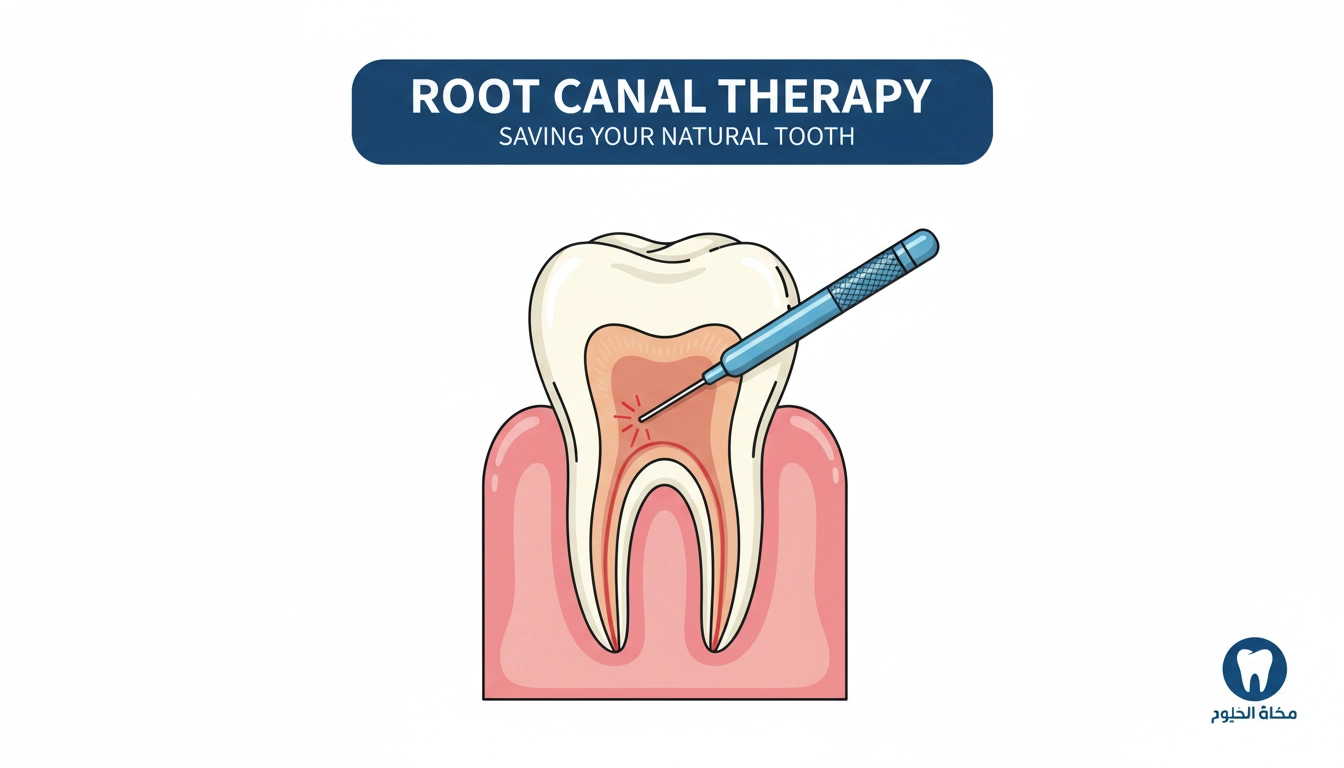

Toothache after root canal treatment is one of the most common concerns patients raise following this widely performed dental procedure. Root canal therapy remains among the most effective solutions for eliminating severe dental pain caused primarily by tooth decay and pulp infection. Despite its reputation, the procedure itself is not the source of significant pain; the discomfort patients experience typically occurs after treatment, not during it.
In this article, we will cover everything you need to know about toothache after root canal treatment, including its causes, expected duration, warning signs, and when to seek further medical attention.
What Causes Toothache After Root Canal Treatment?
Many patients are surprised to experience pain following root canal therapy, particularly because they expected the procedure to eliminate discomfort entirely.
The primary causes of toothache after root canal treatment include:
- Gum tissue inflammation surrounding the treated tooth following the procedure
- Premature chewing pressure is applied to the tooth shortly after treatment
- Improperly levelled temporary filling, causing the filled tooth to sit higher than adjacent teeth and creating pressure during biting
- Inflammation of the periodontal tissues surrounding the affected tooth, particularly when a pre-existing infection was present prior to treatment
- Irritation of the periapical nerve endings due to the instruments used during the procedure, resulting in localised inflammation
You can use Resin Temporary Tooth Repair Beads to fill gaps or repair a broken tooth at home while waiting for your dental appointment.
How Long Does a Toothache Last After Root Canal Treatment?
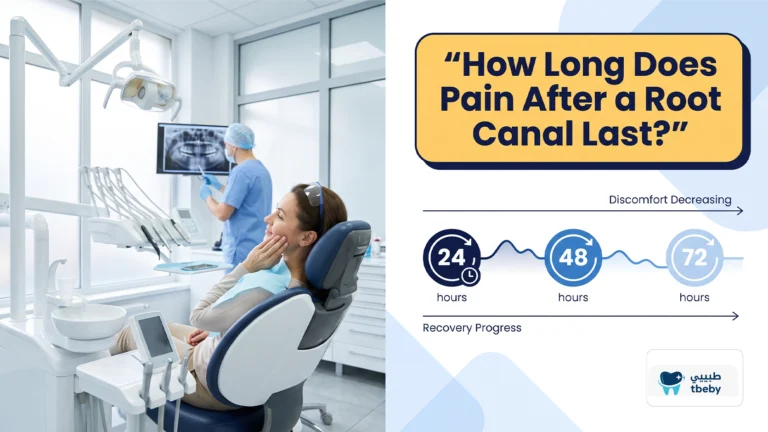
Once the procedure is complete and local anesthesia wears off, mild discomfort is entirely expected and may last anywhere from a few hours to one full week. However, if pain persists beyond a week with no improvement, particularly when accompanied by swelling or a visible abscess, a follow-up dental visit is strongly advised.
| # | Trigger Situation | Description |
| 1 | Hot or Cold Food & Beverages | Temperature sensitivity when eating or drinking |
| 2 | Chewing or Biting Pressure | Direct pressure is applied to the treated tooth |
| 3 | Toothbrushing | Mechanical contact during routine brushing |
| 4 | Dental Flossing | Pressure from flossing around the treated area |
| 5 | Speaking or Swallowing | Minor jaw movement triggers discomfort |
What Causes Persistent Pain After Root Canal Treatment?
Prolonged discomfort following root canal therapy may result from several clinical factors:
- Tooth mobility or micro-movement following the filling procedure
- Pulp nerve inflammation that develops after the cleaning stage preceding the filling
- Structural weakening of the tooth, which increases the risk of fracture post-treatment
- Vertical or horizontal tooth fracture in the treated tooth
- Pre-existing pain that was present before the procedure
It is important to note that persistent inflammation following root canal treatment can lead to abscess formation. Patients experiencing ongoing pain should seek prompt dental evaluation to allow for appropriate diagnosis and intervention.
You can use Medical Gauze to control bleeding and protect the treated area immediately after your root canal procedure.
Is Root Canal Treatment Actually Painful?
A common misconception is that root canal treatment is inherently painful during the procedure itself. In clinical practice, the procedure is performed under local anesthesia and is not painful.
The process involves the following steps:
- Administration of a local anesthetic to the area surrounding the affected tooth
- Removal of bacterial debris between the tooth layers
- Irrigation and cleaning of the tooth canal using sodium hypochlorite solution
- Sealing of any remaining cavities within the tooth using an appropriate filling material
The discomfort patients associate with the procedure is almost always post-procedural, not intra-procedural.
Does Toothache Persist After a Permanent Filling?
Toothache after root canal treatment with a permanent filling generally persists for a period ranging from one week to one full month. During this time, patients typically experience intermittent sensitivity that gradually diminishes. Should pain continue beyond this period, consulting a dental specialist is necessary to ensure proper diagnosis and management.
Toothache Following a Temporary Filling
Temporary fillings are sometimes placed as an intermediate step in root canal therapy. However, a toothache following a temporary filling frequently occurs due to:
- Consumption of foods and beverages high in sugar content
- Neglect of daily oral hygiene practices, including brushing and flossing
These factors promote bacterial accumulation in the oral cavity, which may lead to further decay, dark staining on the tooth surface, heightened sensitivity, or acute pain.
Persistent Pain After Root Canal Treatment Despite Antibiotic Use
Antibiotics are commonly prescribed following root canal procedures to manage infection and reduce inflammation. However, a subset of patients continues to experience toothache after root canal treatment, even after completing a course of antibiotics.
While some residual discomfort during the antibiotic course is clinically acceptable, persistent pain beyond this period warrants immediate dental consultation. Ongoing pain despite antibiotic therapy may indicate a technical issue with the filling itself rather than an infectious process, necessitating direct clinical intervention.
You can use Hydroxyapatite Toothpaste to strengthen tooth enamel and reduce sensitivity during your recovery after root canal treatment.
Symptoms of Tooth Nerve Inflammation After Root Canal Treatment
The dental pulp contains blood vessels and connective tissue that may become inflamed or necrotic, prompting the need for root canal therapy rather than extraction. The following symptoms commonly indicate the need for evaluation and possible endodontic treatment:
- Difficulty chewing or biting food
- Pain triggered by hot or cold beverages
- Tooth mobility or looseness
- Facial swelling and jaw pain upon movement
- Bleeding or a visible abscess near the affected tooth
- Swelling and inflammation of the surrounding gingival tissue
- Discoloration of the tooth from its natural white shade to a noticeably darker tone
Toward a Healthier Smile: Closing Remarks
It is essential to understand that experiencing mild discomfort or a toothache after root canal treatment does not necessarily indicate procedural failure. In the majority of cases, post-treatment pain represents a normal physiological response of the surrounding tissues as they undergo healing and recovery.
The foundation of a successful outcome begins with selecting a qualified dental practitioner and extends to diligent personal care. Maintaining proper oral hygiene and avoiding excessive pressure on the treated tooth during the initial recovery period significantly accelerates the healing process.
Should pain persist beyond the expected timeframe or occur without an apparent cause, do not hesitate to consult your dental specialist to verify the integrity of the filling and restore full oral comfort.
Related Dental Topics:
FAQs About Toothache After Root Canal Treatment
How long does normal pain last after root canal treatment?
When does discomfort completely resolve following the procedure?
Pain typically persists from one week to one month and gradually diminishes; however, if it remains severe beyond that period, a dental consultation is necessary.
Is it normal to feel pain after root canal treatment?
Should I expect discomfort after having my tooth nerve removed?
Yes, mild sensitivity or pain following the wearing off of anesthesia and the tissue response to the procedure is entirely normal.
Why do I feel pain when chewing on a root canal-treated tooth?
What causes discomfort when applying pressure to a filled tooth?
This is most commonly due to an overfilled surface sitting above the adjacent teeth or inflammation in the supporting periodontal ligaments.
Is tooth sensitivity to hot and cold normal after root canal treatment?
Why does my tooth hurt when I drink cold water after the procedure?
Yes, temperature sensitivity is very common during the first few weeks and typically resolves spontaneously as the condition stabilizes.
When should I return to the dentist after root canal treatment?
What signs following the procedure require medical attention?
Seek immediate dental care if pain persists for more than one week, or if visible swelling, abscess formation, or redness appears around the gum.
Does antibiotic therapy resolve a toothache after root canal treatment?
Why does my pain continue despite completing an antibiotic course?
Antibiotics reduce infection and inflammation, but persistent pain may indicate a technical issue with the filling requiring direct clinical correction.
Why does my tooth hurt even with only a temporary filling?
What causes pain after placement of a temporary dental filling?
This typically results from bacterial accumulation due to poor oral hygiene or excessive sugar intake, leading to further tooth irritation.
Is it normal to experience pain two months after root canal treatment?
Why has the pain returned to my tooth long after the procedure?
This may indicate a tooth fracture or incomplete canal sealing, allowing new bacteria to penetrate the treated area.
Can gum inflammation cause pain in a root canal-treated tooth?
What is the relationship between gum swelling and pain after nerve removal?
Yes, inflammation of the gingival and periodontal tissues surrounding the treated tooth is one of the primary contributors to post-procedural pain.
How can I prevent pain after root canal treatment?
What is the most effective approach to ensuring a pain-free recovery?
Maintain consistent daily oral hygiene, avoid hard foods that place stress on the treated tooth, and attend all scheduled follow-up appointments with your dentist.