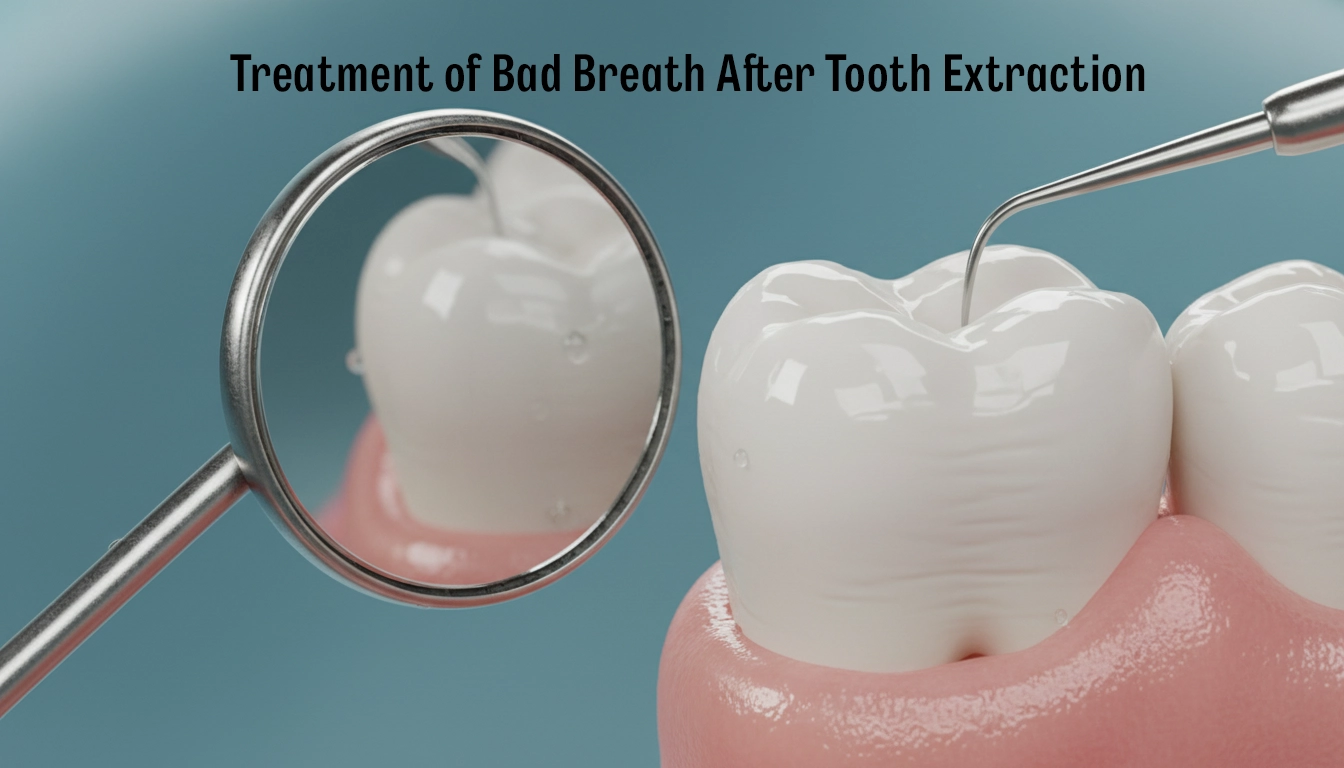

Treatment of bad breath after tooth extraction is a subject that concerns a wide segment of dental patients in Saudi Arabia, as it represents one of the most uncomfortable complications encountered following the procedure. In this article, we will explore the primary causes behind this issue, the most effective treatment approaches, and the preventive measures that help Saudi patients maintain optimal oral health throughout the recovery period.
Causes of Bad Breath After Tooth Extraction

Several factors may contribute to unpleasant mouth odour following tooth removal. Understanding these causes is the first step toward effective treatment of bad breath after tooth extraction.
Poor Oral Hygiene
Many patients in Saudi Arabia avoid touching the wound area entirely for more than a day after extraction, which is a common but partially incorrect approach. Once blood clot formation is confirmed, typically after the first 24 hours, the patient should resume proper oral hygiene using a toothbrush, toothpaste, and dental floss, focusing particularly on areas surrounding the wound.
Neglecting oral hygiene leads to bad breath for two key reasons:
- Food residue accumulation, which can only be removed through brushing or flossing, creates an environment conducive to bacterial activity.
- Gas production from bacterial digestion of remaining food particles releases foul-smelling compounds that cause noticeable mouth odor.
Poor oral hygiene is among the most frequently cited causes when patients ask why bad breath develops, specifically after wisdom tooth extraction.
You can use Interdental Brushes to clean hard-to-reach areas around the extraction site and prevent food residue buildup that causes bad breath.
Bacterial Infection
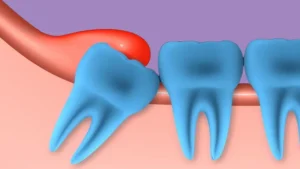
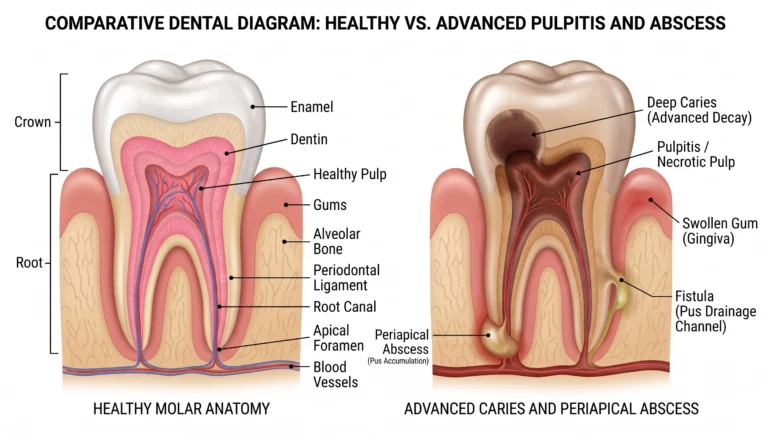
Bacterial infection at the extraction site is another recognized cause of altered mouth odor, particularly following wisdom tooth removal. While most oral surgeries proceed without such complications, certain cases allow bacteria to enter the wound before complete healing, triggering a localized infection.
Common indicators of post-extraction bacterial infection include persistent wound pain, inflammation, and the presence of discharge, all of which contribute directly to unpleasant breath odor.
It is worth emphasizing that bacterial infection at the extraction site must not be disregarded. If left untreated, it can escalate into more serious complications.
Preventive practices recommended to minimize infection risk include:
- Strictly following all post-extraction instructions provided by the treating dentist and completing the prescribed medication course.
- Refraining from smoking for at least the first 24 hours, and avoiding the use of drinking straws during the same period.
- Avoiding hard or solid foods for a minimum of one week.
- Rinse gently with warm salt water, but only after a full 24 hours have passed since the extraction.
Dry Mouth
Dry mouth is a well-documented post-extraction complication, defined as a condition in which saliva production falls below normal levels, leaving the oral cavity persistently dry. This condition accelerates bacterial proliferation and consequently contributes to the development of bad breath.
Patients are advised to maintain adequate hydration throughout the day and to chew sugar-free gum as supportive measures. In most cases, dry mouth resolves naturally within a few days; however, if it persists, medical consultation is necessary to identify and address the underlying cause.
You can use Teeth Whitening Powder to support fresh breath and deep oral cleansing once your dentist confirms the extraction site has sufficiently healed.
Post-Extraction Bleeding
Some degree of bleeding is expected following tooth extraction and typically subsides within a few hours. In certain cases, however, bleeding continues for an extended period, and its accumulation within the oral cavity generates a noticeable, unpleasant odor.
| Contributing Factor | Description | Risk Level |
| Blood Clot Dislodgment | Loss of the clot responsible for halting hemorrhage due to any mechanical or behavioral cause | High |
| Vigorous Rinsing / Excessive Spitting | Forceful oral activity within the first 24 hours that disrupts clot stability | Moderate |
| Smoking | Impairs wound healing and reduces the extraction site’s resistance to infection. | High |
| Pre-existing Blood Disorders | Systemic conditions affecting normal coagulation and bleeding cessation | High |
| Bleeding Beyond One Week | Persistent hemorrhage requiring immediate medical evaluation for underlying pathology | Critical |
Dry Socket
Dry socket is a relatively common complication that occurs when the blood clot at the extraction site is lost or fails to form adequately. This may result from the patient’s underlying health condition or from non-compliance with post-operative instructions.
The condition is characterized by significant pain, pronounced bad breath, and an altered sense of taste. Treatment must be carried out by a dental professional, who will clean the socket, apply a medicated dressing to accelerate healing, and prescribe appropriate medications.
Treatment of Bad Breath After Tooth Extraction
Effective treatment of bad breath after tooth extraction depends on accurately identifying the underlying cause. The following guidelines apply based on each specific scenario:
1. Dry mouth:
Increase daily water intake and chew sugar-free gum. The dentist may prescribe saliva-stimulating agents if necessary.
2. Prolonged bleeding:
Return to the dentist if bleeding continues beyond one week. Maintain consistent wound hygiene throughout the recovery period.
3. Poor oral hygiene:
Use an appropriate mouth rinse as directed by your dentist to manage bacterial buildup.
4. Bacterial infection:
Seek prompt dental consultation, as antibiotic therapy is typically required.
5. Dry socket:
Immediate dental intervention is necessary for professional wound cleaning, medicated dressing placement, and prescription of the appropriate medications.
Patients across Saudi Arabia seeking treatment for bad breath after tooth extraction are advised to act promptly rather than wait for symptoms to worsen.
Prevention of Bad Breath After Tooth Extraction
Prevention centers on proactively eliminating the conditions that allow bad breath to develop.
Recommended measures include:
- Maintaining consistent oral hygiene through brushing and flossing, beginning after the first 24 hours post-extraction.
- Ensuring no food debris remains on or between the teeth.
- Avoid smoking, drinking straws, and spitting, particularly during the first day.
- Consuming soft foods exclusively during the first seven days.
- Rinse gently with warm salt water starting from day two.
- Applying cold compresses on the first day and warm compresses thereafter.
- Avoid forceful rinsing in any form during the first 24 hours.
- Keeping the gauze pad placed over the extraction site for the duration specified by the dentist.
- Maintaining adequate fluid intake throughout the recovery period.
Toward a Complete Recovery: Golden Tips for Fresh Breath After Tooth Extraction
Bad breath following tooth extraction, while uncomfortable, is a manageable condition when appropriate home care is consistently applied. Adhering to proper oral hygiene after the first 24 hours, monitoring for signs of infection or dry socket, and maintaining adequate hydration are the foundational pillars of complication-free recovery.
In Saudi Arabia, dental specialists emphasize that patients who follow post-operative instructions carefully experience significantly fewer complications and shorter recovery periods. Consulting a dentist at the onset of sharp pain, persistent bleeding, or prolonged unpleasant odor remains the single most important step in ensuring complete oral health restoration.
Treatment of bad breath after tooth extraction is most successful when addressed early and guided by professional dental advice.
Related Dental Topics
- Tips after tooth extraction
- Remove the Cotton Gauze After Tooth Extraction
- Relieving Tooth Extraction Pain
- Treatment of Bad Breath After Tooth Extraction
- Surgical Wisdom Tooth Extraction
- Manual tooth extraction
FAQs About Bad Breath After Tooth Extraction
When can I begin rinsing with salt water after extraction?
When is it safe to use a salt solution for oral disinfection?
You may begin gentle rinsing after a full 24 hours have elapsed since the extraction procedure.
How long does bad breath last after a tooth extraction?
When does the unpleasant mouth odor disappear following the procedure?
The odor typically resolves within a few days when oral hygiene, hydration, and smoking cessation guidelines are followed consistently.
Should I be concerned if severe pain accompanies the bad breath?
What does intense pain alongside mouth odor after extraction indicate?
This may signal dry socket or bacterial infection, both of which require immediate dental evaluation.
How does smoking affect breath odor after tooth extraction?
Does smoking cause bad breath following the dental procedure?
Yes, smoking disrupts wound healing and stimulates bacterial growth at the extraction site, worsening mouth odor significantly.
When can I brush my teeth with toothpaste after an extraction?
Is it safe to use a toothbrush immediately after the procedure?
Avoid the wound area entirely on the first day; gentle brushing of the remaining teeth may resume after 24 hours.
What does white discharge or white material at the extraction site mean?
Can white material in the wound cause bad breath?
It may represent food debris or early signs of infection; dental evaluation and professional cleaning are recommended.
Is dry mouth normal after tooth extraction?
Why do I experience intense oral dryness following tooth removal? Y
Yes, it is a common occurrence resulting from changes in saliva flow and resolves with adequate water intake.
What foods help prevent odor buildup after extraction?
What should I eat to keep my mouth clean and odor-free during recovery?
Choose soft, cool foods that leave minimal debris around the wound and are easy to clean after eating.
Why is using a drinking straw prohibited after a tooth extraction?
Can drinking through a straw cause bad breath after the procedure?
Straw suction can dislodge the blood clot, leading to bleeding or dry socket, both of which produce unpleasant mouth odor.
When should I see a dentist about post-extraction bad breath?
What situations require an immediate clinic visit after tooth removal?
Seek dental care if the odor persists beyond one week or is accompanied by fever, continuous bleeding, or unrelenting pain.
Sources:
https://www.mayoclinic.org/ar/diseases-conditions/dry-socket/symptoms-causes/syc-20354376