


Remove the Cotton Gauze After Tooth Extraction is one of the first questions patients ask before leaving the dental clinic, and for good reason. Getting this timing wrong can delay healing, reopen the wound, or invite infection.
Whether you’ve just had a routine extraction or a more complex procedure, understanding the proper gauze protocol is essential for a smooth recovery. Across Saudi Arabia, dental clinics consistently emphasize this single step as the foundation of post-extraction care, yet many patients still underestimate its importance.
Why the Cotton Gauze Matters After Tooth Extraction

When a dentist removes a tooth, the exposed socket immediately begins to bleed. Placing a sterile cotton gauze pad directly over the extraction site serves several critical functions that most patients aren’t fully aware of.
First and most obviously, the gauze controls bleeding by applying direct pressure to the wound. This pressure encourages platelets to aggregate and begin forming a blood clot, the biological barrier your body needs before tissue regeneration can begin. Without this clot, you risk a painful condition known as dry socket.
Beyond bleeding control, the gauze acts as a physical barrier between the raw wound and the oral environment, which even in the healthiest mouth contains hundreds of bacterial species. Leaving the extraction site exposed too early invites bacterial colonization, potentially leading to localized infection, abscess formation, or systemic complications if bacteria enter the bloodstream.
In Saudi Arabia, dental professionals routinely advise patients on the removal of the cotton gauze after tooth extraction as part of their discharge instructions, recognizing that proper gauze use significantly reduces post-operative complications.
You can use Interdental Brushes to keep the areas around the extraction site clean and free from bacterial buildup during your recovery.
When Should You Remove the Cotton Gauze After Tooth Extraction?
This is the core clinical question. According to dental guidelines, removal of the cotton gauze after tooth extraction should occur no sooner than one to two hours following the procedure, provided bleeding has adequately slowed or stopped.
During this window, the body’s hemostatic response is actively working. Platelets cluster at the wound site, fibrin threads begin forming, and a preliminary clot starts to stabilize. Removing the gauze prematurely, even at 30 or 45 minutes, disrupts this process and may restart active bleeding.
What If Bleeding Continues After Two Hours?
If the gauze becomes saturated before the two-hour mark, replace it promptly with a fresh, sterile piece rather than removing it entirely without a replacement. Continue applying gentle biting pressure. If significant bleeding persists beyond three to four hours, contact your dental provider immediately.
Patients in Saudi Arabia seeking post-extraction guidance should follow their dentist’s specific instructions, as the timing of removal of the cotton gauze after tooth extraction may vary slightly depending on the complexity of the procedure and individual clotting factors.
You can use Children’s Toothbrush with Soft Bristles to gently maintain oral hygiene around the mouth while avoiding the extraction site during the recovery period.
How to Handle the Gauze Correctly Step by Step
Knowing when to remove the gauze is only half the answer. Knowing how to handle it correctly makes an equal difference in your recovery outcome.
1. Keep It Completely Still
Once the gauze is placed, avoid repositioning it, poking at it with your tongue, or partially removing and reinserting it. Each movement disturbs the clotting process and extends bleeding time. The gauze should remain undisturbed throughout the recommended period.
2. Apply Gentle, Steady Pressure
Bite down softly on the gauze with consistent, light pressure. This helps compress the gum tissues together and supports clot formation. Avoid biting down forcefully, as excessive pressure can damage the surrounding tissue and widen the wound.
3. Replace When Saturated
If the gauze becomes soaked with blood, replace it quickly with a fresh sterile piece and minimize the time the wound is left uncovered. Always use medically certified, sterile cotton; never repurpose household materials, which may introduce contaminants.
4. Dispose of It Safely
Once bleeding has stopped and removal of the cotton gauze after tooth extraction is appropriate, dispose of the used gauze hygienically. Blood-soaked materials should be wrapped and discarded properly to prevent microbial spread.
How Long Does the Gum Take to Heal After Extraction?
Healing after tooth extraction unfolds in distinct biological phases. Understanding each stage helps set realistic expectations and reinforces why steps like the removal of the cotton gauze after tooth extraction matter from the very first hour.
| Phase | Timeframe | What Happens |
| Phase 1 — Hemostasis | 0–2 Hours | Platelets aggregate and a preliminary clot forms, stopping active bleeding. This is precisely why the removal of the cotton gauze after tooth extraction is timed to this window. |
| Phase 2 — Inflammatory Response | Days 1–3 | The body dispatches immune cells to the wound site. Mild swelling, redness, and localized sensitivity are normal and expected during this phase. |
| Phase 3 — Tissue Regeneration | Days 4–7 | New granulation tissue begins filling the socket. The wound visibly closes from the edges inward as collagen production accelerates. |
| Phase 4 — Remodeling | Week 2 Onward | The gum tissue fully closes and gradually returns to its normal architecture. Complete bone remodeling beneath the surface may take several months. |
For patients in Saudi Arabia undergoing wisdom tooth removal or multi-rooted molar extractions, healing may take slightly longer due to the greater depth and complexity of the wound.
Drinking After Tooth Extraction: What’s Allowed and When
Hydration is important for recovery, but timing and temperature matter significantly.
You may begin drinking room-temperature water approximately one to two hours after the procedure, roughly the same timeframe as the removal of the cotton gauze after tooth extraction. This parallel timing is not coincidental; both actions are appropriate once initial clot formation is underway.
Strictly avoid for the first 24 hours:
- Hot beverages (coffee, tea, soup)
- Cold or iced drinks
- Carbonated drinks
- Alcoholic beverages
Heat disrupts blood clotting and causes vasodilation at the wound site. Cold can trigger sharp sensitivity in the exposed gum. Either extreme creates unnecessary pain and risks destabilizing the forming clot.
Room-temperature still water or mild herbal teas (once cooled) are the safest choices during this period.
Eating After Tooth Extraction
During the first 24 hours following extraction, focus exclusively on liquids and avoid solid food entirely. Your gum tissue is at its most vulnerable during this window, and chewing even on the opposite side creates oral pressures that can dislodge the clot.
From Day 2 onward, introduce soft, easy-to-swallow foods gradually:
- Yogurt and soft dairy products
- Mashed vegetables or potatoes
- Smoothies (without a straw, suction pressure can disturb the clot)
- Scrambled eggs or soft-cooked grains
Foods to avoid throughout the healing period:
- Sticky or chewy foods (toffee, gum)
- Hard, crunchy items (chips, raw vegetables)
- Sugary foods that promote bacterial growth
- Anything requiring forceful chewing near the extraction site
Solid foods can gradually be reintroduced after several days, once swelling has subsided, and the socket feels stable.
Smoking After Tooth Extraction
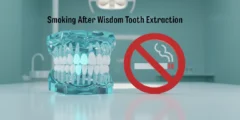
Smoking is categorically contraindicated following tooth extraction. The negative pressure created during inhaling, regardless of whether it is cigarettes, shisha, or vaping, can physically dislodge the blood clot, causing dry socket, one of the most painful post-operative complications in dentistry.
Beyond mechanical disruption, tobacco smoke introduces toxic chemicals directly into the wound, impairs immune function, reduces oxygen delivery to healing tissue, and significantly increases the risk of infection and prolonged healing time.
Dentists across Saudi Arabia and internationally recommend complete abstinence from smoking for a minimum of 24 hours after extraction, ideally 72 hours or longer. Using this as an opportunity to quit entirely is the single most beneficial long-term decision you can make for your oral health.
Recovery Is a Process, Not an Event
The period following tooth extraction demands patience and precision. From the moment the dentist places that first piece of gauze, every decision you make when to remove it, what to eat, whether to smoke, how to rest directly shapes the speed and quality of your healing.
Removal of the cotton gauze after tooth extraction at the right time, using the right technique, is the single most immediate action within your control. In Saudi Arabia, where dental care standards continue to advance, patients have access to excellent clinical guidance, but the responsibility for post-operative compliance ultimately rests with you.
Follow your dentist’s instructions closely, use sterile materials, respect the healing timeline, and your recovery will be both faster and far more comfortable.
Related Dental Topics
- Tooth Extraction
- When Does Tooth Extraction Bleeding Stop
- Broken Tooth Extraction
- Tooth Extractionfor Children
- Decayed Tooth Extraction
- Persistent Pain After Tooth Extraction
- Does Tooth Extraction Affect Pregnant Women
FAQs About When to Remove the Cotton Gauze After Tooth Extraction
When is the right time to remove the gauze after tooth extraction?
How long should the dressing stay on the extraction site?
Leave the gauze in place for one to two hours to allow the blood clot to form properly and bleeding to stop.
What should I do if the gauze fills with blood quickly?
Should I change the dressing if it becomes saturated fast?
Replace it immediately with a fresh sterile gauze and apply gentle pressure; do not leave the wound uncovered.
When can I drink water after a tooth extraction?
At what point is it safe to have fluids after the procedure?
Room-temperature water is safe approximately one to two hours after extraction, once the gauze has been removed.
When can I start eating solid food after the extraction?
How long before I can return to a normal diet post-surgery?
Stick to liquids for the first 24 hours, then introduce soft foods on day two, and solids gradually after several days.
How long must I wait before smoking after a tooth extraction?
Is it safe to smoke immediately after the dental procedure?
Avoid smoking for at least 24 hours, ideally 72, to prevent dry socket and infection at the wound site.
Are hot drinks dangerous right after a tooth extraction?
Why are tea and coffee prohibited in the hours following the procedure?
Heat prevents proper blood clotting and causes intense pain in the sensitive gum tissue around the fresh wound.
How should I clean my teeth after having a tooth removed?
Can I use a toothbrush and toothpaste on the day of extraction?
Brush carefully as usual, but avoid the extraction site entirely until it has healed to prevent disrupting the clot.
What is the best way to reduce swelling after tooth extraction?
How do I treat facial swelling on the cheek following surgery?
Apply a cold compress to the outside of your cheek for 20-minute intervals during the first few hours after the procedure.
How long does it take for the gum to fully heal after extraction?
What is the expected recovery timeline for the extraction socket?
The wound visibly closes within about one week; complete tissue and gum healing typically takes two weeks or more.
Why does the dentist insist on placing gauze and applying pressure?
What is the clinical purpose of the cotton dressing after tooth removal?
The gauze stops bleeding, protects the wound from bacteria, and supports proper tissue regeneration from the first hour onward.
Sources:
https://hometowndental.ca/when-to-stop-using-gauze-after-tooth-extraction-other-common-queries/





Pingback: Broken Tooth Extraction: A Complete Guide to the Procedure 2026 - طبيبي