
Tooth nerve pain is among the most debilitating forms of dental discomfort a person can experience. When the protective layers surrounding a tooth deteriorate or become damaged, the sensitive nerve tissue beneath becomes exposed, triggering sharp, persistent pain that affects daily life. Understanding how to manage exposed tooth nerve symptoms both through medical treatment and evidence-based home remedies is essential for anyone seeking immediate relief and long-term oral health.
This comprehensive guide explores the causes, symptoms, and most effective treatment approaches for an exposed tooth nerve, including herbal remedies and home care strategies that can provide temporary relief while awaiting professional dental intervention.
What Is an Exposed Tooth Nerve?
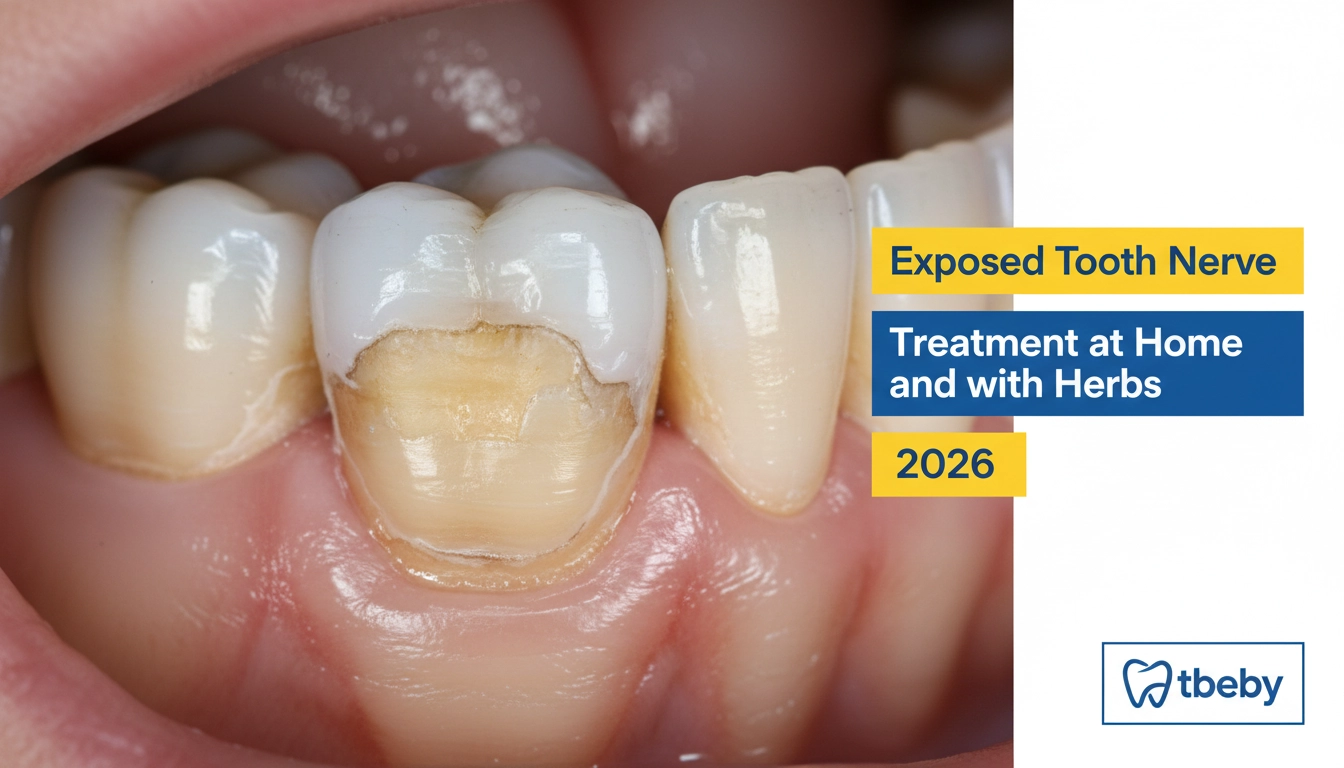
An exposed tooth nerve is a dental condition in which the protective enamel and dentin layers of a tooth erode or fracture, leaving the underlying nerve tissue vulnerable to external stimuli. Unlike an ordinary toothache, this condition cannot be effectively resolved through home treatment alone. Home remedies serve only as temporary pain management measures, not as definitive cures.
The pain associated with an exposed tooth nerve may radiate beyond the mouth, extending to the jaw, ear, and head, causing referred headaches and earache. In cases involving bacterial infection, a dentist must prescribe appropriate antibiotic therapy, most commonly a combination of penicillin and clavulanic acid.
You can use Gum Repair Foam to help soothe and protect exposed gum tissue while you seek professional dental treatment.
Causes of an Exposed Tooth Nerve
Identifying the underlying cause of an exposed tooth nerve is the first step toward effective treatment. The most common contributing factors include:
- Dental fractures and cracks: Structural damage to the tooth surface that compromises its protective layers
- Poor oral hygiene. Neglecting routine dental care allows harmful bacteria to proliferate
- Tobacco use: Smoking weakens gum tissue and accelerates enamel deterioration
- Plaque accumulation: A buildup of bacterial biofilm on the tooth surface damages enamel over time
- Tooth decay and bacterial infection. Deep cavities allow bacteria to reach the nerve
- Aggressive brushing. Brushing too forcefully or too frequently causes enamel erosion and gum recession; dental professionals recommend brushing no more than three times daily
- Genetic predisposition. Some individuals are inherently more susceptible to dental sensitivity and nerve exposure
Symptoms of an Exposed Tooth Nerve
Recognizing the symptoms of an exposed tooth nerve early allows for timely intervention and prevents the condition from worsening:
- Heightened dental sensitivity, sharp pain, or tingling when consuming hot or cold beverages, or when a toothbrush makes contact with the affected area
- Apparent tooth elongation. The tooth may appear longer than usual as the gum line recedes, exposing the root and nerve
- Severe gum pain, intense discomfort in the gum tissue, triggered by eating, drinking, or even speaking
- Gum swelling, visible inflammation, and swelling around the affected tooth
- Tooth discoloration. The development of dark plaque deposits may cause the tooth to appear noticeably darker
You can use Medical Gauze to gently cushion the affected area and reduce contact with irritants when sensitivity is severe.
Medical Treatment for an Exposed Tooth Nerve
When managing tooth nerve pain medically, anti-inflammatory medications are the preferred first-line approach for temporary relief:
- Acetaminophen (Paracetamol) Appropriate for both adults and children when administered at recommended doses
- Ibuprofen is recommended for adults; effective in reducing both pain and inflammation
- Naproxen: An anti-inflammatory option suitable for short-term pain management
Important: Patients with liver disease, kidney disorders, cardiovascular conditions, or high blood pressure should consult a physician before taking any over-the-counter pain reliever, as many analgesics carry side effects that may exacerbate pre-existing conditions.
In the presence of bacterial infection, a dentist must prescribe antibiotic therapy. Self-medicating with antibiotics without professional guidance is strongly discouraged.
Herbal Treatment for Tooth Nerve Inflammation
While no herbal remedy can permanently resolve tooth nerve exposure, several natural preparations have demonstrated notable efficacy in relieving pain and reducing inflammation:
1. Cloves
Cloves are one of the most well-documented natural analgesics for dental pain, containing eugenol, a compound with powerful anti-inflammatory and anaesthetic properties.
Methods of application:
| Method | Preparation |
| Clove oil | Dilute with olive oil, soak a cotton ball, and apply directly to the painful area. |
| Fresh cloves | Chew whole cloves gently or place them on the affected site for several minutes. |
| Clove paste | Soak cloves in water, grind them into a paste, and apply using a soft toothbrush. |
2. Garlic and Ginger
Both garlic and ginger possess well-established antibacterial and anti-inflammatory properties, making them effective in relieving gum swelling and tooth nerve pain.
Preparation: Grate or crush fresh ginger root, combine with crushed garlic, mix thoroughly, and apply the paste directly to the affected area.
3. Turmeric
Turmeric is recognized as a natural analgesic with potent anti-inflammatory compounds, particularly curcumin.
Methods of application:
- Crush fresh turmeric root and apply it directly to the painful area
- Prepare a mouth rinse by boiling turmeric with a clover leaf, allowing it to cool, then using it as a gargle
4. Peppermint
Peppermint is rich in antioxidants and natural menthol, which provides a cooling, analgesic effect on inflamed nerve tissue.
Methods of application:
- Boil fresh peppermint leaves and use the cooled liquid as a mouth rinse
- Use peppermint tea as a soothing gargle
5. Tea Tree Oil
Tea tree oil is derived from the Melaleuca alternifolia plant and carries potent antimicrobial properties.
Application: Apply a small amount directly to the painful area using a cotton swab, then rinse the mouth thoroughly with water afterward to avoid ingestion.
Home Remedies for Tooth Nerve Pain
The following evidence-supported home treatments can provide meaningful temporary relief for tooth nerve discomfort:
1. Guava Leaves
Chew fresh guava leaves directly, or prepare a guava leaf infusion and use it as a daily mouth rinse. Guava leaves contain flavonoids with documented anti-inflammatory effects.
2. Thyme Essential Oil
Soak a cotton ball in thyme essential oil and apply it to the affected area, or dilute the oil in water and use it as a mouth rinse. Thyme contains thymol, a natural antiseptic compound.
3. Salt Water Rinse
A saltwater gargle is one of the most accessible and effective home remedies for tooth nerve pain. Salt’s natural antibacterial properties help reduce bacterial load, ease gum inflammation, and provide symptomatic relief.
Preparation and use:
- Dissolve one teaspoon of salt in a glass of warm water
- Mix thoroughly until the salt is fully dissolved
- Rinse the mouth for 30–60 seconds, then spit
- Repeat daily until symptoms improve
You can use Anticavity Toothpaste as part of your daily oral care routine to strengthen enamel and prevent further tooth decay alongside saltwater rinsing.
Comprehensive Guide to Managing Exposed Tooth Nerve Pain
An exposed tooth nerve is not simply a temporary discomfort; it is a clear signal that the tooth’s protective architecture has been compromised and requires professional evaluation. Throughout this guide, we have examined the primary causes of this condition, its recognizable symptoms, including extreme sensitivity and gum swelling, and the range of temporary relief options available, from anti-inflammatory medications to natural preparations such as clove oil and salt water rinses.
It is essential to understand that all home remedies, whether herbal or otherwise, function exclusively as emergency pain relief measures. They do not address the root cause of nerve exposure and must never be considered a substitute for professional dental treatment. Schedule an appointment with a licensed dentist to receive a thorough examination and an appropriate, definitive treatment plan.
FAQs About Exposed Tooth Nerve Treatment
What is an exposed tooth nerve?
What does it mean when a tooth nerve becomes exposed?
It is a dental condition in which the tooth’s protective enamel and dentin layers erode, leaving sensitive nerve tissue exposed and causing acute pain that requires professional medical attention.
What are the main causes of tooth nerve exposure?
Why does the tooth nerve become inflamed and damaged?
The most common causes include deep tooth decay, poor oral hygiene, dental fractures, and aggressive brushing habits that wear down enamel and cause gum recession.
How do I know if my tooth nerve is exposed and inflamed?
What are the most recognizable symptoms of an exposed tooth nerve?
Key symptoms include severe pain triggered by hot or cold foods and beverages, visible gum swelling, and noticeable changes in tooth colour.
Can home remedies permanently cure an exposed tooth nerve?
Do natural home treatments eliminate the need for a dental visit?
No home remedies act only as temporary analgesics to manage pain and reduce inflammation; visiting a dentist for definitive treatment remains essential.
What is the role of cloves in relieving tooth nerve pain?
How does clove application help with exposed nerve discomfort?
Cloves act as powerful natural anaesthetics and anti-inflammatory agents due to their eugenol content, and can be applied as an oil, fresh cloves, or a ground paste.
What are the best medical pain relievers for tooth nerve pain?
Which over-the-counter medications can reduce severe dental nerve pain?
Anti-inflammatory medications such as ibuprofen or acetaminophen are recommended; however, medical consultation is advised for patients with chronic conditions.
Is saltwater rinsing effective for an inflamed tooth nerve?
What effect does a saltwater gargle have on exposed tooth nerve pain?
Yes, salt possesses strong antibacterial properties that help reduce bacterial activity, relieve gum discomfort, and decrease inflammation when used as a daily mouth rinse.
Does aggressive tooth brushing damage the nerve?
Can brushing teeth too hard lead to nerve exposure?
Yes, excessive brushing pressure erodes tooth enamel and causes gum recession, progressively exposing the sensitive root and nerve tissue beneath.
How is a garlic and ginger paste prepared for tooth nerve pain?
What is the correct method for making a garlic and ginger remedy for an inflamed tooth?
Grate fresh ginger root and combine it with crushed garlic; mix into a paste and apply it directly to the affected tooth to relieve pain and reduce swelling.
When are antibiotics necessary for a tooth nerve condition?
Do all cases of tooth nerve inflammation require antibiotic treatment?
Antibiotics are prescribed only when a confirmed bacterial infection is present and must always be taken as directed by a dentist; they must never be self-administered.