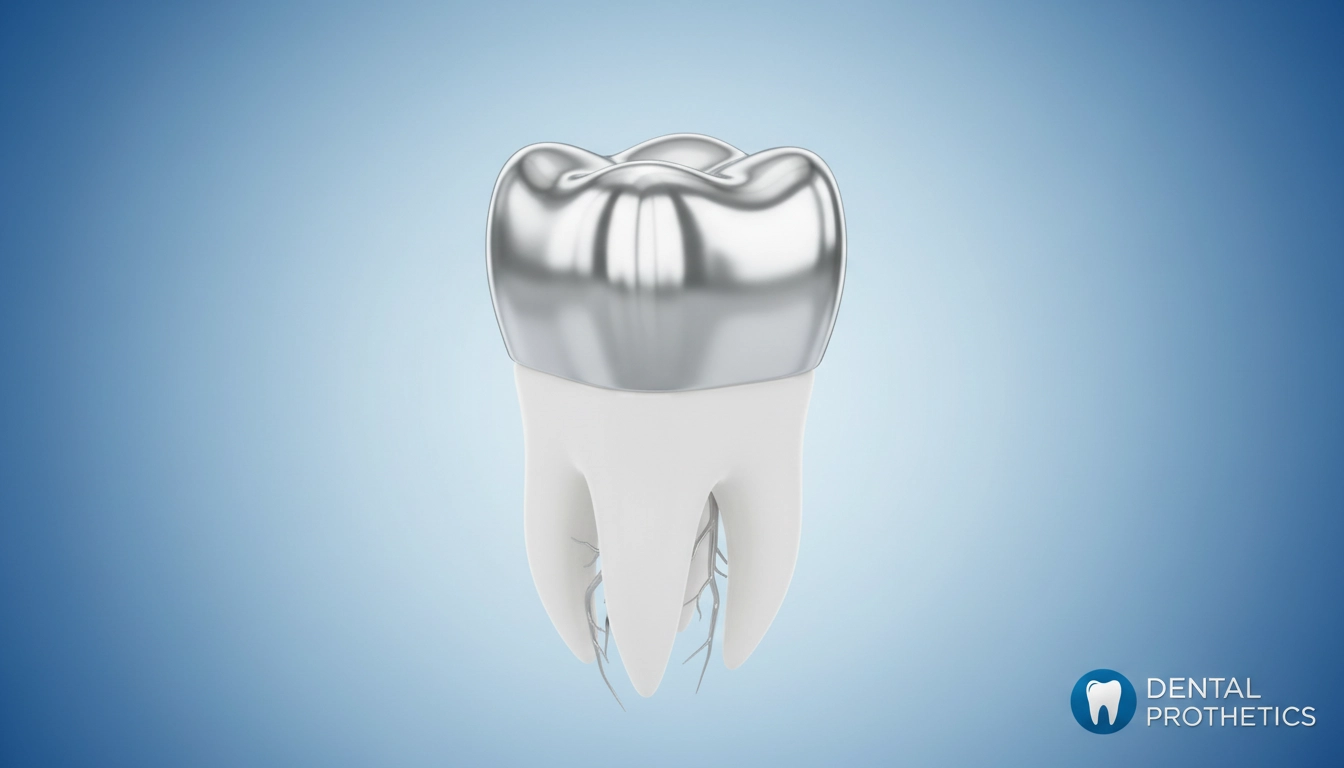

Dental crown prices are among the most frequently searched topics in restorative dentistry today, as more patients worldwide seek reliable, long-lasting solutions for damaged, weakened, or fractured teeth. Across global dental markets, the field of prosthodontics has advanced significantly, with clinicians now offering a wide spectrum of crown materials tailored to individual clinical needs, aesthetic expectations, and budgetary considerations. This comprehensive guide explores dental crown prices, available types, procedural steps, and essential aftercare, equipping you with the knowledge needed to make an informed clinical and financial decision.
What Is a Dental Crown?
A dental crown, clinically referred to as a dental cap or tooth crown, is a precisely fabricated prosthetic restoration designed to fully encase a damaged, decayed, or structurally compromised tooth. It restores the tooth’s original shape, size, strength, and natural appearance, functioning as a permanent protective shield.
Dental crowns are among the most commonly performed restorative procedures in modern dentistry. They are particularly indicated for elderly patients, individuals with severely fractured teeth, those who have undergone extensive fillings, or patients whose teeth have lost adequate structural integrity.
The treating dentist determines the most appropriate crown type based on several clinical factors, including the tooth’s position in the arch, the condition of surrounding tissues, the degree of visible tooth structure, and the patient’s personal preferences and expectations.
You can use Teeth Whitening Toothpaste to maintain a bright, clean appearance around your dental crown and protect the surrounding natural teeth from discoloration.
How Are Dental Crowns Installed? Step-by-Step Procedure
The installation of a dental crown is a multi-stage clinical procedure that must be performed exclusively by a licensed dental professional. Below is a detailed breakdown of the standard crown placement protocol:
1. Clinical Examination & Radiographic Assessment
The dentist conducts a thorough examination of the affected tooth and typically requests X-rays to evaluate the root and bone condition.
2. Tooth Preparation
A small, precise amount of enamel is removed from the tooth to create adequate space for the crown, ensuring it aligns naturally with adjacent teeth.
3. Decay Removal & Core Build-Up (if required)
Any existing decay is excavated. If the tooth lacks sufficient structure to support a crown, a core build-up procedure is performed to strengthen the foundation.
4. Crown Fabrication
An accurate impression or digital scan of the prepared tooth is taken and sent to a dental laboratory for custom crown fabrication. The crown may be manufactured from various materials depending on the selected type.
5. Temporary Crown Placement
A temporary crown is placed to protect the prepared tooth during the fabrication period, which typically spans approximately two weeks. During this phase, patients may experience heightened sensitivity to hot and cold temperatures. Sticky foods, chewing gum, and hard foods should be strictly avoided.
6. Permanent Crown Fitting & Cementation
Once the permanent crown is ready, the dentist seats it on the tooth, makes necessary occlusal adjustments, verifies fit and bite, and permanently cements the restoration in place.
You can use Toothpaste for Sensitive Gums to relieve temporary sensitivity experienced during the crown placement period and protect the gum tissue surrounding both temporary and permanent restorations.
Types of Dental Crowns: A Comprehensive Comparison
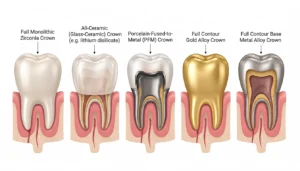
Understanding dental crown prices requires a clear knowledge of the available material options, as cost varies significantly by type. Below is a detailed overview of the most widely used crown types in contemporary dental practice:
1. Gold Dental Crowns
Gold crowns are fabricated from high-grade dental gold alloy, recognized for their exceptional durability and longevity. They withstand the forces of heavy chewing with remarkable resilience and can remain functional for up to 10 years or more without displacement.
Gold crowns are the ideal choice for patients prioritizing structural strength over aesthetics, particularly for posterior (back) teeth that endure significant occlusal load. Their primary drawback is the metallic appearance, which makes them less suitable for visible anterior teeth.
Estimated price range: Mid-to-high tier (varies significantly by region and gold content)
2. Porcelain-Fused-to-Metal (PFM) Crowns
PFM crowns combine a metal substructure with an outer porcelain veneer, offering a balance between strength and aesthetics. They are a well-established option for patients who desire a more natural-looking restoration while maintaining reasonable durability.
However, over time, the metal margin may become visible at the gumline, particularly in patients experiencing gum recession, a consideration worth discussing with your dentist.
Estimated price range: Mid-range
3. All-Ceramic / Porcelain Crowns
All-ceramic crowns are composed entirely of dental porcelain, offering the most natural and lifelike aesthetic result. They closely replicate the translucency and colour of natural tooth enamel, making them the preferred choice for anterior (front) teeth.
These crowns bond strongly to the tooth surface and, with proper care, can last between 5 and 10 years. They are especially recommended for patients who prioritize cosmetic outcomes or those with metal sensitivities.
Estimated price range: Mid-range
4. Zirconia Crowns
Zirconia crowns are fabricated from zirconium oxide powder, a high-strength, biocompatible ceramic material with exceptional mechanical properties. They are completely metal-free, eliminating any risk of allergic reactions, and bond firmly to tooth structure without causing gingival irritation.
Dentists frequently recommend zirconia crowns for patients experiencing significant chewing difficulties or tooth sensitivity, as the material demonstrates outstanding resistance to fracture and wear. Available in both translucent and solid variants, zirconia crowns offer a compelling combination of aesthetic appeal and structural integrity.
Estimated price range: Mid-to-high tier
5. Metal / Base Metal Alloy Crowns
Metal crowns fabricated from base metal alloys, including various combinations of non-precious metals, represent the most durable option in terms of mechanical strength and resistance to occlusal forces. They are particularly suitable for patients who prioritize function over aesthetics.
These crowns have a long clinical track record and are commonly recommended for posterior teeth where visibility is minimal.
Estimated price range: Variable
Benefits of Dental Crowns
Dental crowns offer a range of clinically significant advantages that extend beyond simple aesthetics:
1. Structural Restoration:
Crowns fully rebuild the shape, contour, and function of severely damaged or broken teeth, customized to each patient’s bite pattern and jaw anatomy.
2. Tooth Preservation:
They protect structurally compromised teeth from further decay, fracture, or complete loss, particularly teeth that have undergone extensive restorative work.
3. Improved Chewing Function:
Crowns restore full occlusal function, enabling normal, comfortable chewing, a significant quality-of-life improvement over an orthodontic appliance.
4. Protection Against Decay:
The crown acts as a physical barrier, shielding the underlying tooth structure from bacterial infiltration and recurrent caries.
5. Long-Term Durability:
High-quality crowns, with appropriate care, can remain functional for up to 10 years or beyond, making them a cost-effective long-term investment.
6. Aesthetic Enhancement:
Modern crown materials closely replicate the optical properties of natural teeth, restoring a confident, natural-looking smile.
Dental Crown Prices 2026: Global Overview
Dental crown prices vary considerably across different countries and regions, influenced by factors such as the dentist’s level of expertise, the technology available at the practice, the chosen crown material, and local economic conditions. Below is a general comparative overview:
| Crown Type | Durability | Aesthetics | Price Range (USD Approx.) |
| Gold Crown | ★★★★★ | ★★☆☆☆ | $800 – $2,500+ |
| PFM Crown | ★★★★☆ | ★★★☆☆ | $500 – $1,500 |
| All-Ceramic / Porcelain | ★★★☆☆ | ★★★★★ | $600 – $1,800 |
| Zirconia Crown | ★★★★★ | ★★★★☆ | $700 – $2,000 |
| Base Metal Crown | ★★★★★ | ★★☆☆☆ | $300 – $1,000 |
You can use Temporary Dental Filling to provide immediate protection for a damaged tooth while you consult your dentist to determine the most suitable crown type and plan your treatment budget.
Dental Crowns: Your Optimal Investment in a Healthy, Lasting Smile
A dental crown functions as a powerful restorative shield rehabilitating damaged or weakened teeth by fully restoring their natural strength, function, and aesthetic appearance. As explored throughout this guide, the range of available crown materials, including zirconia, porcelain, PFM, and metal alloys, ensures that patients across all clinical profiles and budgets can access an appropriate, high-quality solution.
Selecting the right crown type depends primarily on your dentist’s clinical assessment, the specific tooth involved, your aesthetic goals, and your budget. Do not allow dental problems to compromise your quality of life or self-confidence. Take the first step today, schedule a consultation with a qualified dental specialist to determine the most suitable treatment plan, and reclaim your confident, radiant smile safely and effectively.
FAQs About Dental Crowns
What exactly is a dental crown?
What does a dental cap or tooth crown mean clinically?
A dental crown is a custom-fabricated prosthetic cover permanently bonded over a damaged or broken tooth to restore its shape, strength, chewing function, and natural appearance.
How long does a dental crown last?
What is the expected lifespan of a dental crown before it needs replacement?
A dental crown typically lasts between 5 and 15 years, with longevity influenced by the material used, oral hygiene practices, and bite forces.
What are the main types of dental crowns available?
What materials are commonly used in the fabrication of dental crowns?
The primary crown types include zirconia, all-ceramic porcelain, porcelain-fused-to-metal (PFM), gold alloy, and base metal alloy crowns.
What is the average cost of a zirconia dental crown?
How much does it cost to place a zirconia tooth crown?
Zirconia crown prices vary globally but generally range from approximately $700 to $2,000 USD, depending on the clinic, country, and crown specifications.
Does getting a dental crown cause pain or sensitivity?
Will I experience discomfort after placement of a temporary or permanent crown?
Temporary sensitivity to heat and cold is common after temporary crown placement, but it typically resolves quickly once the permanent crown is cemented.
How long does the dental crown procedure take?
What is the total time required to complete a dental crown from start to finish?
The traditional process requires approximately two weeks; however, clinics with CAD/CAM digital technology can complete the crown in a single visit.
Which crown type is best suited for front teeth?
What is the most aesthetically appropriate crown for achieving a natural-looking smile?
All-ceramic and translucent zirconia crowns are the preferred options for anterior teeth due to their superior colour-matching and natural translucency.
How should I care for my dental crown after placement?
What are the correct methods for maintaining a dental crown’s cleanliness and longevity?
Regular brushing with an electric toothbrush, daily flossing around the crown margins, and use of sensitivity toothpaste help prevent plaque accumulation and gingival inflammation.
Which is better for back teeth, a metal crown or a zirconia crown?
What is the practical difference between a gold/metal crown and a zirconia crown?
Metal crowns offer exceptional chewing durability with fewer aesthetic concerns, while zirconia crowns deliver an excellent balance of high strength and a natural white aesthetic.
When should I replace an existing dental crown?
What signs indicate that a dental crown needs immediate replacement?
A crown should be replaced immediately if it fractures, if persistent pain develops beneath it, or if gingival recession creates visible gaps around the crown margins.